

Why a Southern Herb Garden is Different in 2026
My grandmother always had a thriving herb garden, a small patch tucked beside the kitchen door. It felt timeless, a tradition passed down through generations. But gardening in the South isn’t quite the same as it was for her. We’re seeing warmer winters and increasingly intense summers, and that’s changing what grows well, and what’s becoming a real struggle. It's a shift we all notice, and one that demands we adapt.
The mild winters mean some herbs that used to die back completely now linger, sometimes even attempting to flower prematurely. This can exhaust the plant. Conversely, the scorching summers stress herbs, making them more susceptible to pests and diseases. Humidity, always a factor, becomes even more problematic. We have to be smarter about plant selection and garden management to succeed. This isn't about abandoning tradition; it's about honoring it by evolving with the times.
The University of Georgia Cooperative Extension is tracking these changes, providing updated guidance on what herbs are best suited for our changing climate. They’ve noted a rise in issues with fungal diseases due to increased humidity, and a need for more drought-tolerant varieties. It's not just about having a pretty garden anymore; it's about building a resilient one, one that can withstand the challenges of a warmer South. We’re looking at a new era of Southern gardening, and it requires a little more knowledge and a lot more observation.
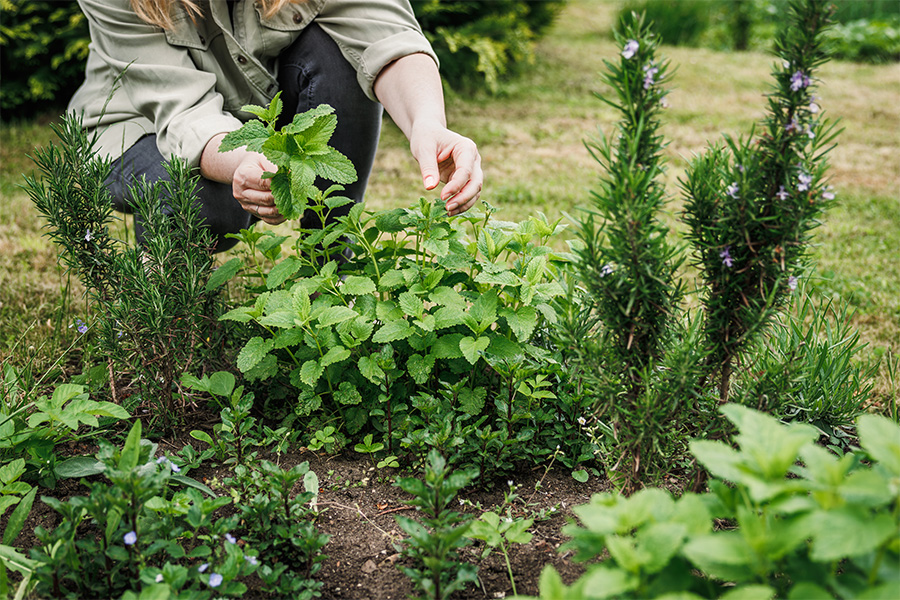
It's "Time for Thyme," the Southern herb garden staple that can withstand the heat and cure what ails you: https://t.co/FaYkX5ebk6. #cooking #herbalremedies pic.twitter.com/MJTi3EXDwN
— Deep South Magazine (@deepsouthmag) June 24, 2025
The Core Herbs for Authentic Southern Flavor
When people think of Southern cooking, certain flavors immediately come to mind: the brightness of tomatoes, the richness of pork, the subtle heat of peppers. Herbs tie these flavors together. Parsley, thyme, rosemary, and sage are the basics you'll need in the dirt first. But to truly capture the essence of Southern cuisine, you need to go beyond the basics.
Lovage, for instance, is a hidden gem. Often described as tasting like celery with a hint of anise, it's fantastic in soups, stews, and braised meats. Summer savory, with its peppery bite, is a classic accompaniment to beans and pork. And anise hyssop, a native wildflower, offers a delicate licorice flavor that's wonderful in teas, salads, and even desserts. These aren't just interesting additions; they're integral to the flavor profiles of many traditional Southern dishes.
Think about a pot of collard greens. While smoked ham hock provides the base flavor, a generous pinch of red pepper flakes and a sprig of thyme elevate it to something truly special. Or consider a tomato pie – it’s not just tomatoes and mayonnaise; it's the fragrant blend of basil and thyme that makes it sing. These herbs aren't merely seasonings; they’re the soul of Southern cooking, connecting us to our culinary heritage.
Don’t underestimate the power of a well-placed bay leaf in a gumbo or etouffee. It's subtle, but it changes the base of the dish. And a sprinkle of rosemary over roasted potatoes or pork tenderloin adds a layer of earthy aroma that’s irresistible. Knowing why these herbs work with specific ingredients is the key to unlocking authentic Southern flavor.
- Parsley: A versatile herb used in everything from garnishes to sauces.
- Thyme: Essential for flavoring meats, soups, and stews.
- Rosemary: Adds an earthy aroma to roasted dishes and potatoes.
- Sage: A classic pairing with pork and poultry.
- Lovage: A celery-like flavor perfect for soups and braises.
- Summer Savory: Peppery and complements beans and pork.
- Anise Hyssop: Delicate licorice flavor for teas and salads.
Essential Southern Herbs
- Basil - Known for its sweet, slightly peppery flavor. A cornerstone of Southern Italian-influenced cuisine.
- Parsley (Flat-Leaf) - Bright, clean flavor. Often used as a garnish, but also integral to flavor building.
- Thyme - Earthy and slightly floral. Complements rich, savory dishes beautifully.
- Rosemary - Piney, resinous aroma and flavor. Strong and pairs well with roasted meats.
- Mint - Refreshing and cool. Especially popular in Southern beverages and desserts.
- Chives - Mild onion flavor. Adds a delicate sharpness to dishes.
- Cilantro - Bright, citrusy, and sometimes polarizing. Commonly used in Southern Tex-Mex cuisine.
Soil, Sun, and Southern Humidity: Setting Up Your Garden
Southern soil can be…challenging. It's often either heavy clay or very sandy, neither of which is ideal for herb growth. Clay soils retain too much water, leading to root rot, while sandy soils drain too quickly, leaving plants thirsty. The best approach is to amend your soil with plenty of organic matter, like compost or well-rotted manure. This will improve drainage in clay soils and help sandy soils retain moisture.
Raised beds are a fantastic solution, regardless of your soil type. They provide excellent drainage, allow you to control the soil composition, and make gardening easier on your back. Herbs need sun, but southern summers are brutal. Most herbs need at least six hours of direct sunlight per day, but they may appreciate some afternoon shade during the hottest months. Consider planting taller herbs to provide shade for more delicate ones.
Humidity is our constant companion in the South, and it creates a breeding ground for fungal diseases. Proper air circulation is key. Space your plants adequately, and prune them regularly to remove any dead or diseased foliage. The UGA Extension recommends using fungicides preventatively, especially for herbs prone to powdery mildew, like sage and thyme. Monitoring your plants regularly is the best defense – catch problems early before they become widespread.
Beyond the Garden Bed: Container Gardening for Small Spaces
Don’t let a lack of yard space deter you from growing your own herbs. Container gardening is a fantastic option, offering flexibility and convenience. Choose containers that are at least 12 inches in diameter to provide enough room for root growth. Terracotta pots are a good choice because they're porous and allow for good air circulation, but plastic or glazed ceramic pots will also work.
The right potting mix is essential. Avoid using garden soil, as it can become compacted in containers. Instead, opt for a high-quality potting mix specifically formulated for containers. Ensure your containers have adequate drainage holes to prevent waterlogging. Consider using a saucer underneath to catch excess water. Even a small balcony or patio can become a thriving herb garden with a little planning.
Grouping herbs with similar watering needs is a smart strategy. Rosemary and thyme prefer drier conditions, while basil and parsley need more consistent moisture. This will simplify your watering routine and help prevent overwatering or underwatering. Remember to fertilize your container herbs regularly, as nutrients leach out of the soil more quickly in containers.
Preserving Your Harvest: From Garden to Pantry
Growing herbs is rewarding, but the real magic happens when you preserve them to enjoy their flavor year-round. Drying is the most traditional method. Simply bundle the herbs together and hang them upside down in a cool, dark, and well-ventilated place. Once they’re completely dry, store them in airtight containers. Freezing is another excellent option, especially for herbs like basil and chives. Chop the herbs and freeze them in ice cube trays with water or olive oil.
Making herb-infused oils and vinegars is a fantastic way to capture the flavor of your harvest. Simply steep the herbs in oil or vinegar for a few weeks, then strain and store in airtight bottles. Herb butters are also incredibly versatile – blend softened butter with chopped herbs and freeze in logs for easy use. Each method has its pros and cons; drying concentrates flavor, while freezing preserves more of the fresh taste.
Proper storage is crucial for preserving the quality of your herbs. Store dried herbs in airtight containers in a cool, dark place. Freeze herb-infused oils and vinegars in the freezer to prevent spoilage. By taking the time to preserve your harvest, you’ll be able to enjoy the flavors of your garden long after the growing season is over. It’s about reducing food waste and savoring the fruits – or, in this case, the herbs – of your labor.
Southern Recipes That Celebrate Fresh Herbs
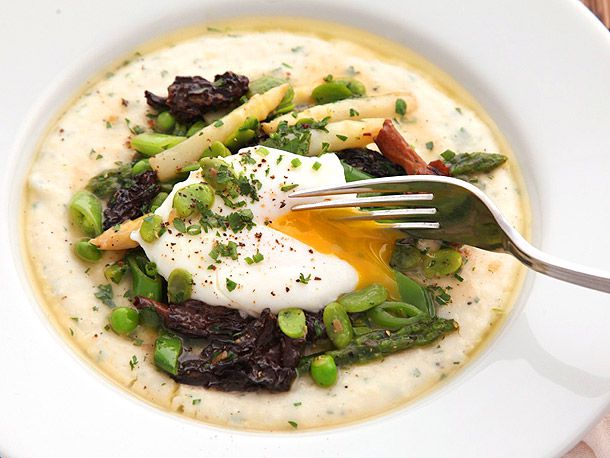
The true test of a thriving herb garden is putting those herbs to work in the kitchen. Let's start with Shrimp and Grits, a Southern staple. A generous addition of fresh lemon and dill to the grits, and a sprinkle of parsley over the shrimp, brightens the dish and adds a layer of freshness. Then there’s Fried Chicken, where marinating the chicken in an herb blend of thyme, rosemary, and sage before frying infuses it with incredible flavor.
A Tomato Pie is another perfect showcase for fresh herbs. Basil and thyme are essential, lending a fragrant sweetness to the ripe tomatoes. Don't skimp on the herbs – they're what make this dish truly special. These recipes aren’t just about following instructions; they’re about understanding how herbs complement and enhance the natural flavors of Southern ingredients.
These dishes have deep roots in Southern culinary tradition. Shrimp and Grits originated on the coast, utilizing locally caught shrimp and stone-ground grits. Fried Chicken, brought over by Scottish immigrants, became a Southern favorite thanks to the abundance of chickens and the skill of Southern cooks. Each dish tells a story, and herbs are an integral part of that story.
Beyond these, consider a simple herb-roasted pork loin, a vibrant salsa verde with cilantro and jalapeno, or a refreshing cucumber salad with dill and mint. The possibilities are endless. The key is to experiment and find your own favorite ways to incorporate fresh herbs into your Southern cooking.
Troubleshooting: Common Herb Garden Problems in the South
Even with the best planning, problems can arise in your herb garden. Pests like aphids and spider mites are common, especially during hot, dry weather. Insecticidal soap or neem oil can effectively control these pests. Fungal diseases, such as powdery mildew, are also prevalent in humid climates. Ensure good air circulation and consider using a fungicide preventatively. According to the CAES Field Report, monitoring for leaf spots is important too.
Nutrient deficiencies can manifest as yellowing leaves or stunted growth. A soil test can help you identify any deficiencies and determine the appropriate fertilizer. Weather-related issues, such as heat stress and drought, can also impact your herbs. Provide shade during the hottest part of the day and water deeply during dry spells. Remember, prevention is always better than cure.
If you notice your herbs are wilting despite adequate watering, it could be a sign of root rot. Check the drainage of your containers or garden beds and amend the soil if necessary. Don't be afraid to experiment and learn from your mistakes. Gardening is a process, and every gardener faces challenges along the way. Don’t give up!
- Pests: Aphids, spider mites – treat with insecticidal soap or neem oil.
- Fungal Diseases: Powdery mildew – ensure good air circulation, use fungicide.
- Nutrient Deficiencies: Yellowing leaves, stunted growth – conduct a soil test.
- Weather Stress: Heat stress, drought – provide shade, water deeply.
Looking Ahead: New Trends in Southern Herb Gardening
Southern herb gardening is evolving. There’s a growing interest in heirloom herbs, varieties that have been passed down through generations and offer unique flavors and characteristics. People are also embracing companion planting, strategically pairing herbs with other plants to deter pests and improve growth. Marigolds, for example, are known to repel nematodes, making them a great companion for tomatoes.
Permaculture principles, which focus on creating sustainable and self-sufficient ecosystems, are gaining traction. This involves incorporating herbs into a broader garden design that mimics natural patterns. People are becoming more conscious of where their food comes from and are eager to grow their own, not just for the taste but for the connection to the land. It’s a return to a more traditional way of life, but with a modern twist.
We’re likely to see more experimentation with less common herbs, as gardeners seek out unique flavors and explore the diversity of the plant kingdom. The future of Southern herb gardening is bright, rooted in tradition but open to innovation. It's about building resilient gardens that provide flavor, nourishment, and a connection to the natural world.


No comments yet. Be the first to share your thoughts!