

Make the recipe
Southern Farmhouse Kitchen Decor Trends works best as a sequence, not a pile of settings. Do the minimum first: confirm compatibility, connect the primary device, update only when needed, and test the result before adding optional features. That order keeps the task understandable and makes failures easier to isolate. After each step, pause long enough for the device or app to finish syncing. Many setup problems are timing problems disguised as configuration problems. If the same step fails twice, record the exact error, restart the smallest affected piece, and retry before moving deeper.
The simplest way to use this section is to keep the setup small, verify each change, and document the working configuration before adding extra devices.
Keep the texture right
Use this section to make the Southern Farmhouse Kitchen Decor Trends decision easier to compare in real life, not just on paper. Start with the reader's actual constraint, then separate must-have requirements from details that are merely nice to have. A practical choice should survive normal use, maintenance, timing, and budget. If a recommendation only works in an ideal situation, call that out plainly and give the reader a fallback path.
-
Verify the basicsConfirm the core specs, condition, and fit before comparing extras.
-
Price the downsideLook for the repair, maintenance, or replacement cost that would change the decision.
-
Compare alternativesCheck at least two comparable options before treating one listing as the benchmark.
Swaps that still work
Use this section to make the Southern Farmhouse Kitchen Decor Trends decision easier to compare in real life, not just on paper. Start with the reader's actual constraint, then separate must-have requirements from details that are merely nice to have. A practical choice should survive normal use, maintenance, timing, and budget. If a recommendation only works in an ideal situation, call that out plainly and give the reader a fallback path.
| Factor | What to check | Why it matters |
|---|---|---|
| Fit | Match the option to the primary use case. | A good deal still fails if it does not fit the job. |
| Condition | Verify age, wear, and service history. | Hidden condition issues erase upfront savings. |
| Cost | Compare purchase price with likely upkeep. | The cheapest option is not always the lowest-cost option. |
Serve and store it
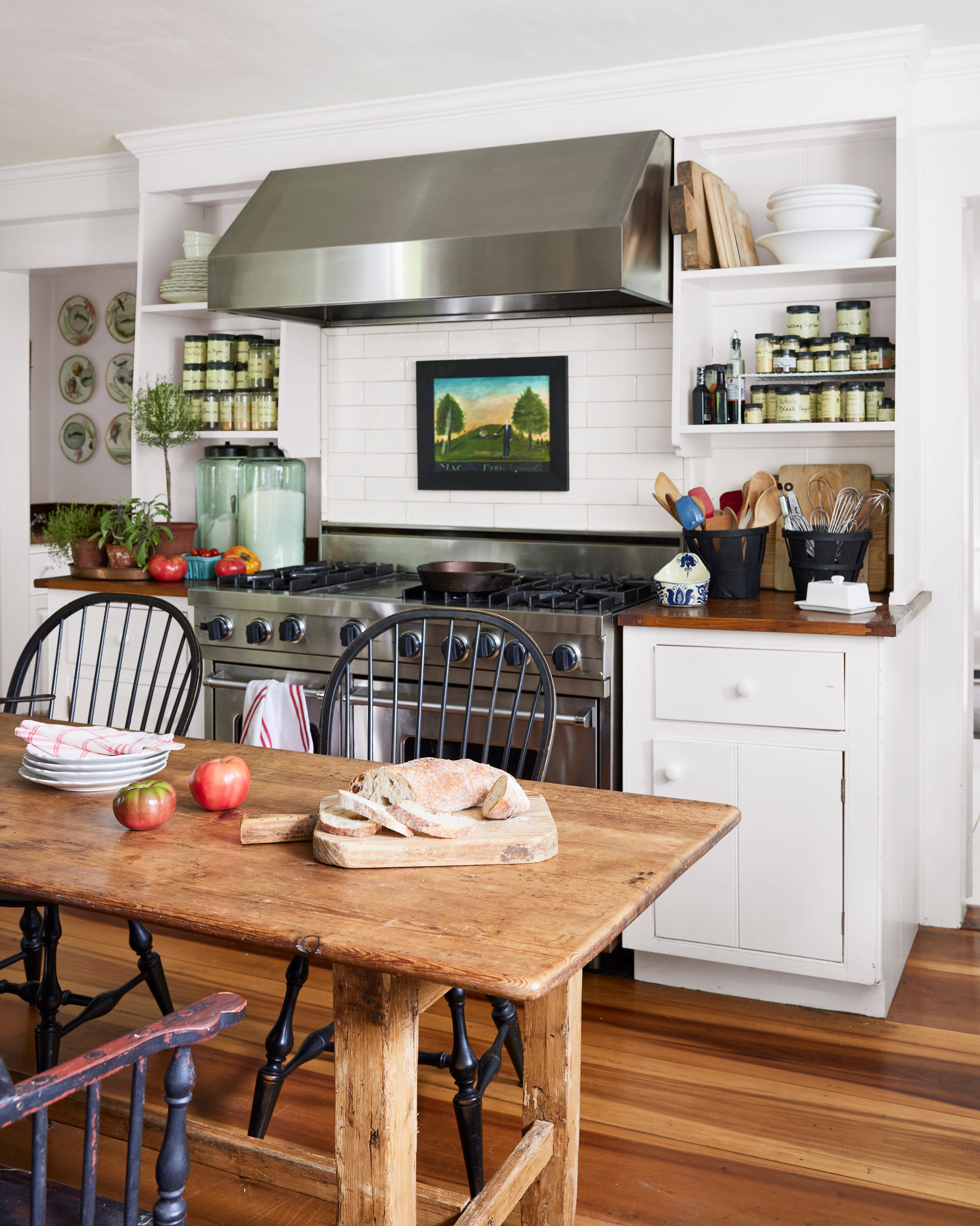
The beauty of a southern farmhouse kitchen lies in its ability to handle the chaos of a busy gathering without losing its charm. Think of your serving stations as the heart of the room—accessible, durable, and ready for action. Instead of relying on fragile porcelain that demands gentle handling, lean into rustic wood kitchen hardware and natural wood cabinets for a backdrop that welcomes heavy use. These materials age gracefully, developing a patina that tells the story of every meal shared.
When it comes to storage, prioritize function over form. Use open shelving for frequently used items like cast iron skillets or stackable ceramic bowls, keeping them within arm's reach during prep. For make-ahead dishes, label containers clearly with masking tape and a marker; the rustic aesthetic actually enhances this practical touch. Store leftovers in airtight glass jars or wooden lidded boxes to maintain freshness while adding a layer of visual warmth to your pantry.
Reheating is where southern cooking often shines or stumbles. For casseroles and braised meats, low-and-slow reheating in the oven preserves moisture better than microwaving. Cover dishes with foil to prevent drying out, and add a splash of broth or water if the sauce has thickened during storage. For breads and baked goods, a quick stint in a 350°F oven restores crispness to crusts that may have softened in transit or storage.
Serving suggestions should echo the room’s natural materials. Platter food on slate boards, wooden cutting boards, or distressed metal trays. Avoid overly polished surfaces that clash with the farmhouse vibe. The goal is to make guests feel at home, surrounded by textures that feel lived-in and welcoming, not sterile or showroom-perfect.
Common Questions About Southern Farmhouse Kitchen Decor
Is a full renovation necessary to achieve the southern farmhouse look? Not at all. The aesthetic relies more on texture and layering than structural changes. You can achieve the core look by swapping out cabinet hardware for rustic wood or black iron, adding a butcher block island, or installing a farmhouse sink. These updates are budget-friendly and reversible, allowing you to test the style before committing to major construction.
How do I balance rustic charm with modern functionality? The key is mixing materials. Pair vintage-inspired elements like open shelving or distressed wood with high-performance appliances and durable quartz countertops. This hybrid approach ensures the kitchen remains a practical workspace for daily cooking while retaining its cozy, inviting character. Think of it as a conversation between old and new, where each piece supports the other.
What colors work best for a southern farmhouse kitchen in 2026? While white and gray remain staples, 2026 trends favor warmer, earthier tones. Consider creamy off-whites, soft sage greens, or muted terracotta accents. These hues create a lived-in feel that complements natural wood tones and stone surfaces, avoiding the sterile look of all-white kitchens. Use these colors on lower cabinets or accent walls to add depth without overwhelming the space.
Can I mix different farmhouse styles? Yes, and it often works best. Blending American southern farmhouse with elements of english country or scandinavian design adds unique character. For example, pair a classic apron-front sink with sleek, minimalist shelving. The goal is cohesion, not uniformity. Let the materials—wood, stone, metal—guide the harmony rather than strict stylistic rules.
No comments yet. Be the first to share your thoughts!