

Grits Reimagined: A Southern Shift
Growing up in Louisiana, grits weren’t just a breakfast food; they were a cornerstone of every gathering, a symbol of hospitality, and a taste of home. My grandmother’s grits, creamy and rich, were legendary. For a long time, I thought abandoning a traditional Southern diet meant abandoning those flavors, those memories. I was wrong.
The idea that Southern cooking and plant-based eating are mutually exclusive is quickly fading. What started as a niche movement has blossomed into a genuine shift in how people approach food, and it's happening right here in the South. It's more than a trend; it’s a thoughtful evolution.
People are turning to plant-based options for a variety of reasons – from prioritizing health and animal welfare to lessening their environmental impact. But for many, it’s about proving that you can enjoy the comfort and flavor of Southern cuisine without compromising your values. It’s about adapting, innovating, and celebrating a heritage while embracing a more sustainable future.
We’re seeing a real interest in vegan Southern recipes, and it’s exciting to explore how classic dishes can be reimagined using plant-based ingredients. It's a chance to honor the past while creating something new and delicious. The goal isn’t to replicate dishes exactly, but to capture the essence of Southern flavor and hospitality.
The Foundation: Veganizing Grits
Let's start with the star of the show: grits. Traditionally, grits are made from coarsely ground corn, and the method of preparation significantly impacts the final result. Stone-ground grits, milled from dried corn kernels, take longer to cook but offer a wonderfully textured, almost nutty flavor. Quick grits, processed more heavily, cook faster but can lack that depth.
The key to creamy, vegan grits lies in the liquid you use. Water works in a pinch, but plant-based milks are where the magic happens. Oat milk provides a subtle sweetness and excellent creaminess. Almond milk is a lighter option, but can sometimes be a bit thin. Cashew milk offers a richness that closely mimics dairy, and coconut milk lends a distinct, tropical flavor – use this one judiciously if you’re aiming for a traditional taste.
One of the biggest hurdles is avoiding a grainy texture. Using a high-quality grit is the first step. Beyond that, constant stirring during cooking is crucial. Low and slow is the name of the game; a gentle simmer for 30-45 minutes (for stone-ground) or 15-20 minutes (for quick grits) will yield the best results. Adding the liquid gradually, rather than all at once, also helps.
A basic vegan grits recipe is surprisingly simple: 1 cup grits, 4 cups plant-based milk, 1 teaspoon salt. Bring the milk and salt to a boil, then slowly whisk in the grits. Reduce heat to low, cover, and simmer, stirring frequently, until creamy. Don't be afraid to experiment with ratios to find your perfect consistency.
For those who miss the cheesy flavor of traditional grits, nutritional yeast is your friend. Start with 2-3 tablespoons and add more to taste. It won't melt like cheese, but it provides a savory, umami-rich flavor that’s surprisingly satisfying. You can also incorporate a small amount of vegan butter or olive oil for added richness.
Beyond Shrimp & Grits: Vegan Gravy Variations
Grits are rarely enjoyed on their own. Gravy is essential, and thankfully, creating flavorful vegan gravies is entirely achievable. Mushroom gravy is a fantastic starting point. Using a variety of mushrooms—cremini, shiitake, oyster—adds layers of complexity. Sauté the mushrooms with onions and garlic, then deglaze the pan with vegetable broth. A touch of soy sauce or tamari enhances the umami.
For a truly creamy gravy, a cashew-based sauce is hard to beat. Soak 1 cup of raw cashews in hot water for at least 30 minutes, then drain and blend with 2 cups of vegetable broth, 2 tablespoons of nutritional yeast, and seasonings. Adjust the broth to reach your desired consistency. This base is incredibly versatile.
A roux-based gravy, similar to traditional Southern gravy, can also be made vegan using plant-based butter and vegetable broth. Whisk together equal parts plant-based butter and flour, cook for a few minutes to create a roux, then gradually whisk in the broth. Season generously with smoked paprika, thyme, sage, and black pepper. Don't skimp on the seasoning!
Consistency is key. If your gravy is too thick, add more broth. If it’s too thin, simmer for a few more minutes to allow it to reduce. A good gravy should coat the back of a spoon. I find Dora’s Table’s Southern Vegan Grits recipe provides an excellent starting point for inspiration when thinking about pairing flavors.
Smoked paprika is a game changer. It adds a depth of flavor that mimics the smokiness of bacon or ham, common in traditional Southern gravies. Experiment with different types of smoked paprika – sweet, hot, or regular – to find your preference.
Reimagining Classics: Vegan Southern Staples
Once you've mastered vegan grits and gravy, the possibilities are endless. Let’s tackle some other Southern staples. Vegan fried "chicken" can be surprisingly satisfying using oyster mushrooms, which have a naturally meaty texture, or seitan, a wheat gluten-based protein. Marinate in seasoned buttermilk (plant-based, of course) and dredge in seasoned flour before frying.
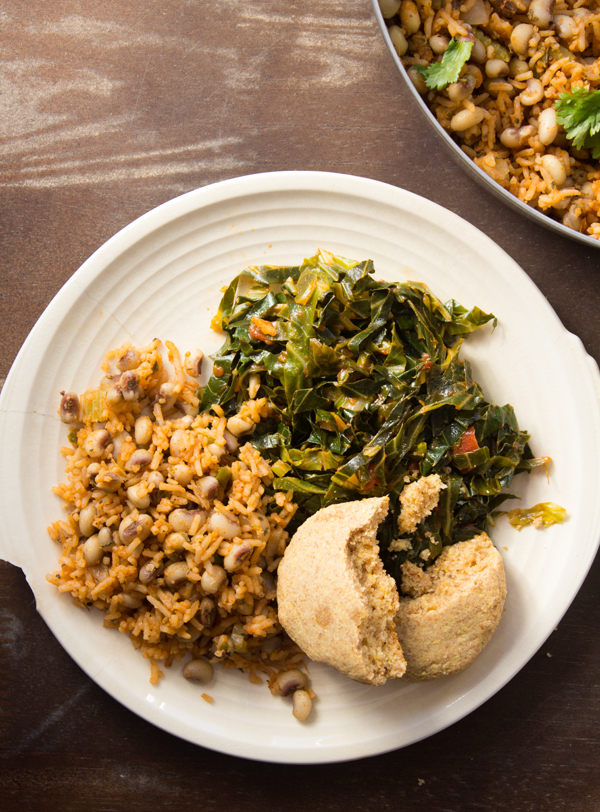
Collard greens, traditionally cooked with smoked meat, can be transformed with smoked paprika and vegetable broth. The key is to cook them low and slow until they’re tender and flavorful. A splash of apple cider vinegar adds a touch of brightness. Don’t be afraid to experiment with different seasonings – a pinch of red pepper flakes adds a nice kick.
Vegan mac and cheese is another crowd-pleaser. A cashew-based sauce, blended with nutritional yeast, garlic powder, and onion powder, creates a creamy, cheesy flavor. You can also add a small amount of roasted sweet potato for extra sweetness and color.
Black-eyed peas, often served on New Year’s Day for good luck, are naturally vegan. Season them with smoked paprika, thyme, and a touch of hot sauce. A little bit of liquid smoke can also enhance the smoky flavor. Adding a diced bell pepper and onion while cooking adds more depth.
These dishes can also be adapted to be healthier without sacrificing flavor. Use whole-wheat flour for dredging, reduce the amount of oil used in frying, and incorporate more vegetables into your recipes. Blacks Going Vegan offers some excellent breakfast ideas and inspiration for building a plant-based Southern meal.
Southern Pantry Staples for Vegan Cooking
- Nutritional Yeast - Often used to mimic the cheesy flavor found in many Southern dishes, especially mac and 'cheese' or creamy sauces.
- Smoked Paprika - Essential for replicating the smoky flavors prevalent in Southern barbecue and seasoning blends.
- Plant-Based Butter - Brands like Miyoko's Kitchen Cultured Vegan Butter or Melt Organic Vegan Butter offer excellent alternatives for richness and flavor in grits, biscuits, and more.
- Vegetable Broth - Pacific Foods Organic Vegetable Broth or Imagine Organic Vegetable Broth are great for cooking grits, beans, and as a base for soups and stews.
- Black-Eyed Peas - A Southern staple, readily available dried or canned from brands like Goya or Camellia Brand.
- Kidney Beans - Used in many Southern recipes like red beans and rice, brands like Bush's Best offer convenient canned options.
- Cremini Mushrooms - A versatile mushroom that can be used to add umami and a meaty texture to vegan stews, gumbos, and even as a 'meat' substitute.
- Shiitake Mushrooms - Known for their rich, smoky flavor, shiitake mushrooms are excellent for adding depth to vegan Southern cooking, particularly in broths and gravies.
Sweet Southern Comfort: Plant-Based Desserts
No Southern meal is complete without a sweet ending. Vegan peach cobbler is a must-try. Use a biscuit topping made with plant-based butter and plant-based milk. The peaches themselves can be simply tossed with a little sugar and cinnamon. The contrast between the warm, juicy peaches and the flaky biscuit topping is heavenly.
Pecan pie presents a bit more of a challenge, as corn syrup is a key ingredient. Maple syrup or agave nectar can be used as a substitute, though the flavor will be slightly different. Using a high-quality vegan butter in the crust is essential for a flaky, tender result.
Banana pudding, another Southern classic, is easily veganized using a cashew cream base. Soak cashews overnight, then blend with plant-based milk, banana, and a touch of vanilla extract. Layer with vegan wafers and sliced bananas. It’s a simple, yet satisfying dessert.
Maintaining traditional flavors and textures is crucial. Don’t be afraid to experiment with different plant-based ingredients to find what works best for you. High-quality vegan butter and vanilla extract are essential for achieving the best results.
Sourcing high-quality vegan ingredients can make all the difference. Look for brands that use natural ingredients and avoid artificial flavors and colors. Many grocery stores now carry a wide variety of vegan products, making it easier than ever to create delicious plant-based Southern desserts.
Sourcing and Sustainability: A Modern Approach
The heart of Southern cooking has always been a connection to the land. A modern approach to plant-based Southern cuisine should honor that connection by prioritizing local and seasonal produce. Visiting farmers' markets and supporting local farms ensures you’re getting the freshest, most flavorful ingredients.
Supporting Black-owned vegan businesses and farms is also incredibly important. These businesses often play a vital role in their communities and are working to create a more equitable and sustainable food system. Seek them out and actively support their work.
The environmental impact of our food choices is significant. Plant-based eating, in general, has a lower environmental footprint than animal agriculture. Choosing organic and sustainably grown produce further reduces your impact.
Southern foodways are deeply rooted in agricultural heritage. Understanding this history and the challenges faced by farmers is essential. By supporting sustainable farming practices, we can help preserve this heritage for future generations.
The ethics of food production are also worth considering. Choosing plant-based options aligns with a commitment to animal welfare and a more compassionate food system. It's a way to make a positive impact with every meal.
Looking Ahead: The Future of Plant-Based South
The trend of plant-based eating in the South is only going to continue to grow. We’re seeing more and more restaurants adding vegan options to their menus, and more chefs are experimenting with plant-based Southern cuisine. This is reshaping the culinary landscape and creating exciting new possibilities.
I anticipate future innovations in vegan Southern cuisine will involve exploring new ingredients, such as jackfruit and hearts of palm, and developing new cooking techniques to mimic the flavors and textures of traditional dishes. We might see more sophisticated vegan cheese alternatives and more creative uses of plant-based proteins.
Plant-based Southern food has the potential to appeal to a wider audience than ever before. It’s not just for vegans; it’s for anyone who appreciates good food and wants to eat more sustainably. It’s a way to celebrate the region’s rich culinary heritage while embracing a healthier and more ethical lifestyle.
This is an evolving space, and there’s still plenty of room for experimentation and innovation. Don't be afraid to try new things, to adapt recipes, and to create your own unique plant-based Southern dishes. The future of Southern cuisine is bright, and it’s delicious.
What classic Southern dish would you most like to see veganized?
Vote below, and if you choose Other, share the dish you want to see reimagined with plant-based ingredients.

No comments yet. Be the first to share your thoughts!