

Make the recipe
Sustainable southern living starts in the kitchen by prioritizing seasonal, local produce and reducing food waste. One of the most effective ways to lower your carbon footprint is to utilize "ugly" produce—vegetables that are perfectly edible but rejected by supermarkets for aesthetic reasons—and pairing them with staples from your own backyard or a local farmers market.
This garden-fresh succotash is a staple of the region that highlights the versatility of summer harvests. By using a cast-iron skillet and local corn and lima beans, you reduce the energy required for transport and support the regional agricultural economy. It is a practical example of how eating with the seasons simplifies your grocery list and lowers your environmental impact.
Keep the texture right
Sustainable Southern Living works best as a sequence, not a pile of settings. Do the minimum first: confirm compatibility, connect the primary device, update only when needed, and test the result before adding optional features. That order keeps the task understandable and makes failures easier to isolate. After each step, pause long enough for the device or app to finish syncing. Many setup problems are timing problems disguised as configuration problems. If the same step fails twice, record the exact error, restart the smallest affected piece, and retry before moving deeper.
Swaps that still work
Adopting eco-friendly practices in your Southern home doesn't require abandoning the flavors and textures that define regional cooking. Many sustainable substitutions maintain the integrity of a dish while reducing the environmental footprint of your pantry, such as choosing locally sourced fats or plant-based alternatives for heavy creams.
Focusing on seasonal, regional produce reduces the carbon emissions associated with long-distance shipping. When swapping ingredients, the goal is to match the function—whether that is acidity, richness, or binding—without compromising the taste profile of the meal.
| Traditional Ingredient | Sustainable Alternative | Why it Works |
|---|---|---|
| Heavy Cream | Cashew Cream | Lower carbon footprint, similar richness |
| Store-bought Butter | Local Grass-fed Butter | Supports local farms, better soil health |
| Refined Sugar | Local Raw Honey | Supports pollinators, regional flavor |
| Imported Olive Oil | Regional Sunflower or Pecan Oil | Reduced transport emissions, native crop |
Serve and store it
For the best texture, serve this dish warm in a preheated ceramic basin or a cast-iron skillet. These materials hold heat longer than stainless steel, keeping the meal hot through the first few rounds of serving without needing a constant flame.
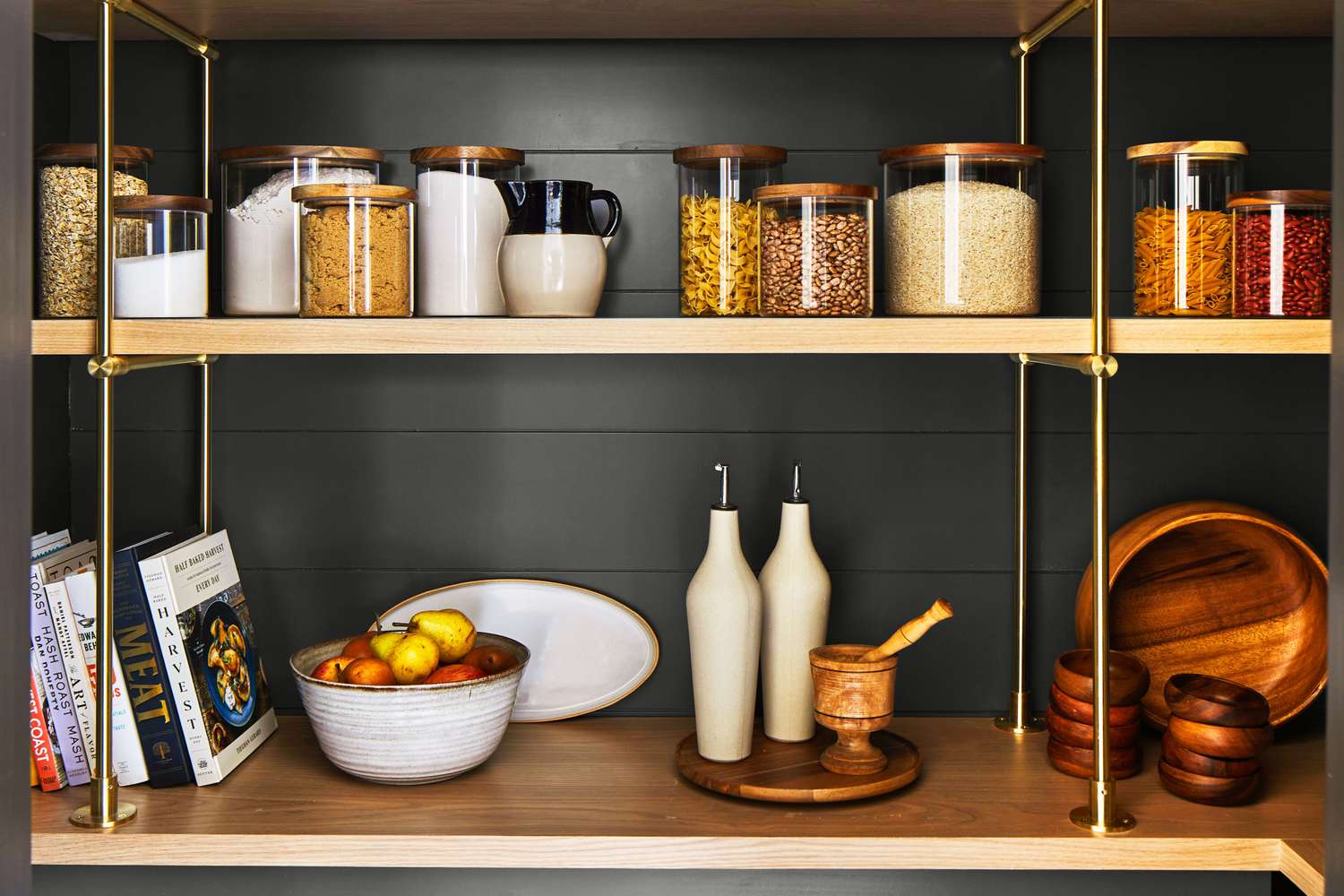
If you are prepping ahead, store leftovers in glass airtight containers rather than plastic. Glass prevents the absorption of odors and keeps the flavors crisp. This dish stays fresh in the refrigerator for up to four days.
When reheating, avoid the microwave, which can make the proteins rubbery and the vegetables mushy. Instead, transfer the portion to a small oven-safe dish, add a tablespoon of water or broth to restore moisture, and heat at 325°F until warmed through. This method preserves the original consistency and prevents the edges from drying out.
No comments yet. Be the first to share your thoughts!