

Spring's First Flavors: Garden & Grits
There's a unique joy in Southern cooking that truly blossoms in the spring. It’s a time when gardens overflow with the first harvests, and kitchens fill with the aromas of fresh vegetables and comforting flavors. This season, we’re embracing the garden-to-table philosophy, focusing on recipes that celebrate the bounty of spring alongside a Southern staple: grits.
We’re seeing a real resurgence of interest in heirloom varieties – the Brandywine tomatoes, the Moon and Stars watermelons, the Carolina Gold rice – and this extends to grits as well. Folks are recognizing that the quality of your grits profoundly impacts the final dish. A coarsely ground, stone-ground grit will offer a texture and flavor a quick-cooking variety simply can't match.
These 15 recipes aren’t just about combining ingredients; they’re about capturing a feeling – the warmth of Southern hospitality, the vibrancy of a spring garden, and the simple pleasure of a delicious meal. They’re designed to be adaptable, encouraging you to use what’s freshest and most readily available from your local farmers’ market or your own backyard.
Southern cooking, at its heart, is about resourcefulness. It’s about making the most of what you have, honoring tradition, and sharing it with those you love. This collection of recipes aims to do just that, offering a modern take on classic Southern flavors while staying true to the spirit of garden-to-table cooking.
Grits 101: Stone-Ground vs. Quick
Understanding grits starts with understanding how they’re made. Grits are essentially coarsely ground corn, and the milling process is what dictates the final product. Stone-ground grits are milled using, you guessed it, stones – a slower, more traditional method that preserves the germ and bran of the corn kernel. This results in a more flavorful, textured grit.
Quick grits, on the other hand, are processed more extensively, removing the germ and bran. This makes them cook faster, but it also strips away much of their flavor and nutritional value. The texture is typically smoother and less substantial. While convenient, they really don’t compare to the real deal. It’s like the difference between a freshly baked loaf of bread and something from a plastic bag.
Stone-ground grits take longer to cook – typically 30-45 minutes, requiring frequent stirring – but the effort is well worth it. The result is a creamy, slightly chewy texture and a distinctly corn flavor. Quick grits cook in a matter of minutes, but can often become gummy if overcooked. For most of these recipes, I strongly recommend seeking out stone-ground grits.
Felesha at Say Grace offers a fantastic tutorial on making Southern-style grits. You can find it on her blog and YouTube – it’s a great visual guide to the process and really emphasizes the importance of patience and good ingredients. It’s a worthwhile watch, even for seasoned cooks. Knowing how to make a basic pot of creamy grits is the foundation for everything else.
- Stone-ground grits: Coarsely ground, retain germ and bran, cook in 30-45 minutes, creamy and chewy texture, robust corn flavor.
- Quick grits: Finely ground, germ and bran removed, cook in 5-10 minutes, smoother texture, milder flavor.
15 Spring Recipes: Grits Take Center Stage
Here are 15 recipes showing how versatile grits are in spring cooking. These are starting points, meant to inspire you to get in the kitchen and experiment with seasonal flavors. Full recipes are on Grits N Grace’s website.
1. Asparagus & Shrimp Grits: A classic combination, elevated with tender spring asparagus. The sweetness of the shrimp pairs beautifully with the earthy asparagus and creamy grits.
2. Spring Pea & Prosciutto Grits: Sweet spring peas and salty prosciutto create a delightful contrast. A touch of mint brightens the flavors.
3. Radish & Scallion Grits: A surprisingly refreshing combination. The peppery bite of radishes and the mild onion flavor of scallions add a vibrant kick.
4. New Potato & Herb Grits: Creamy new potatoes and a generous handful of fresh herbs (chives, parsley, dill) make for a comforting and flavorful dish.
5. Lemon-Butter Grits with Grilled Fish: A light and bright dish perfect for a warm spring evening. The lemon-butter sauce adds a tangy richness to the creamy grits.
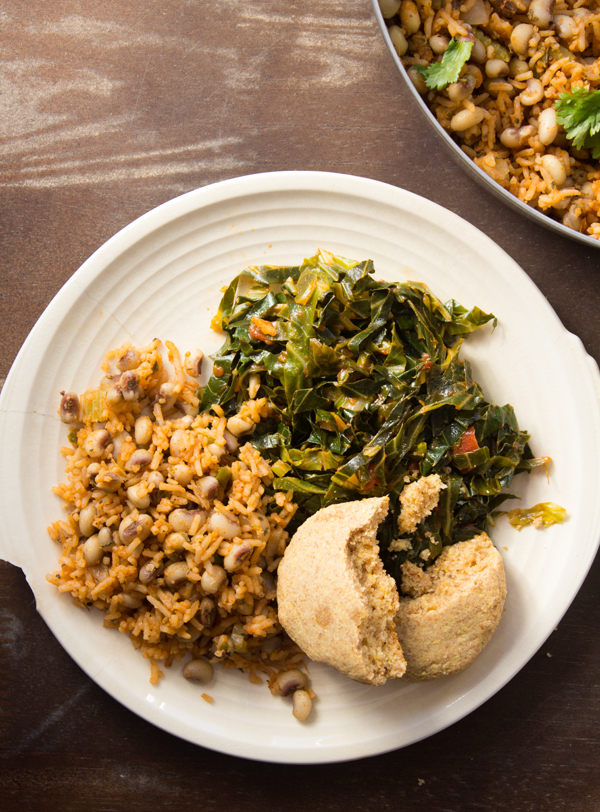
6. Creamy Grits with Braised Greens: Collard greens, mustard greens, or turnip greens – braised until tender and served over creamy grits. A Southern staple.
7. Spinach & Feta Grits: Inspired by Greek flavors, this dish combines the earthiness of spinach with the salty tang of feta cheese.
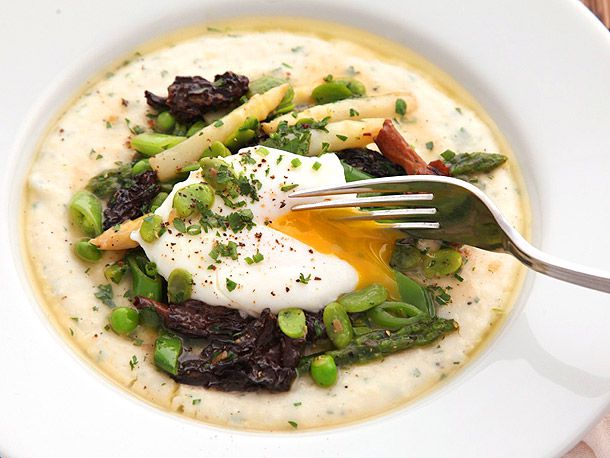
8. Morel Mushroom Grits: If you’re lucky enough to find morel mushrooms, this recipe is a must-try. Their earthy, nutty flavor pairs perfectly with creamy grits.
9. Strawberry & Balsamic Glazed Chicken with Grits: A sweet and savory combination that's surprisingly delicious. The balsamic glaze adds a tangy depth.
10. Rhubarb & Ginger Grits: A unique and unexpected pairing. The tartness of rhubarb is balanced by the warmth of ginger.
11. Broccoli & Cheddar Grits: A comforting and kid-friendly option. The cheesy flavor complements the slightly bitter broccoli.
12. Artichoke & Parmesan Grits: A sophisticated dish with a Mediterranean flair. The artichoke hearts add a delicate flavor and texture.
13. Blistered Tomato & Basil Grits: Simple, fresh, and bursting with flavor. Blistered tomatoes release their sweetness, and fresh basil adds a fragrant aroma.
14. Spring Onion & Smoked Salmon Grits: A smoky and savory combination. The smoked salmon adds a rich, umami flavor.
15. Beet & Goat Cheese Grits: The earthy sweetness of beets pairs beautifully with the tangy creaminess of goat cheese.
Shrimp & Grits: A Southern Classic, Elevated
No discussion of Southern grits is complete without mentioning Shrimp & Grits. It's a dish that embodies Southern comfort food, and Say Grace has a wonderful starting point recipe on their blog. But there’s always room for improvement and personalization.
Consider the shrimp itself. Wild-caught shrimp, when available, offer a superior flavor and texture. Local shrimp, if you have access to them, are always a great choice, supporting local fisheries and ensuring freshness. The size of the shrimp also matters; larger shrimp tend to be more flavorful and hold up better to cooking.
The sauce is where you can really get creative. A classic lemon-butter sauce is always a good option, but a spicy Cajun cream sauce adds a kick. I’m curious to experiment with different hot sauces – Tabasco, Crystal, or even a homemade pepper sauce – to see how they impact the flavor profile. A splash of white wine can also add depth and complexity.
Don’t be afraid to incorporate spring vegetables into the dish. Sautéed asparagus, peas, or spinach can add a pop of color and freshness. A sprinkle of fresh herbs – parsley, chives, or thyme – can brighten the flavors. The key is to balance the richness of the grits and shrimp with the lightness of the spring vegetables.
Beyond Savory: Grits in Spring Desserts?
Now, let’s venture into slightly more unconventional territory. Grits in desserts? It sounds odd, I know, but hear me out. The mild flavor of grits can actually lend itself surprisingly well to sweet applications. It’s not traditional, certainly, but it’s fun to explore.
Grits pudding is a logical starting point. The creamy texture of grits makes them a natural fit for a pudding base. You can flavor it with vanilla, cinnamon, or even chocolate. Grits cakes with a fruit compote are another possibility. The grits cakes provide a slightly gritty texture that contrasts nicely with the sweetness of the fruit.
I’ve even seen recipes for grits-based shortbread. The grits add a subtle corn flavor and a slightly crumbly texture. It's a bit of an experiment, and I'm not sure how successful it will be, but it’s worth a try for the adventurous cook. It’s about challenging expectations and finding new ways to appreciate a humble ingredient.
Can You Spot the Grits in These Southern Desserts?
Grits aren't just for savory dishes! Southern cooks have long embraced the versatility of this humble grain, incorporating it into surprisingly delicious desserts. But can *you* tell when grits are secretly adding texture and flavor? Take this quiz to test your knowledge of grits-infused sweets!
Pairing Grits: Drinks & Sides
A great meal isn’t just about the main course; it’s about the entire experience, including the drinks and side dishes. When pairing beverages with grits-based dishes, consider the overall flavor profile. For lighter, more delicate dishes, a crisp white wine like Sauvignon Blanc or Pinot Grigio can be a good choice.
Sweet tea is, of course, a classic Southern pairing. Lemonade is another refreshing option, especially on a warm day. For those who prefer beer, a lighter lager or pilsner can complement the flavors without overpowering them. I think focusing on locally brewed beverages would really enhance the experience.
As for side dishes, collard greens are a natural fit. Roasted vegetables – asparagus, broccoli, or Brussels sprouts – provide a healthy and flavorful counterpoint. A simple green salad with a light vinaigrette can also help to balance the richness of the grits. Remember, the goal is to create a harmonious meal, where each element complements the others.
Grits Dish & Beverage Pairings for Spring
| Grits Dish | Beverage Pairing | Rationale |
|---|---|---|
| Shrimp and Grits | Sweet Tea | The slight sweetness of traditional sweet tea complements the savory shrimp and creamy grits, creating a balanced flavor profile. |
| Creamy Cheese Grits with Spring Asparagus | Dry Rosé Wine | A crisp, dry rosé cuts through the richness of the cheese grits and pairs well with the fresh, green notes of asparagus. |
| Grits with Fried Green Tomatoes | Light Lager | The effervescence of a light lager provides a refreshing contrast to the crispy, tangy fried green tomatoes and comforting grits. |
| Country Ham and Grits | Arnold Palmer | The blend of iced tea and lemonade in an Arnold Palmer offers a balance of sweetness and tartness that complements the salty, smoky flavor of country ham. |
| Grits with Sauteed Spring Greens (Collards, Mustard, Turnip) | Peach Iced Tea | The fruity notes of peach iced tea enhance the slightly bitter, earthy flavors of the spring greens, while complementing the creamy grits. |
| Grits with Grilled Scallops | Sauvignon Blanc | A Sauvignon Blanc, with its herbaceous and citrusy notes, pairs beautifully with the delicate flavor of grilled scallops and the smooth texture of grits. |
Illustrative comparison based on the article research brief. Verify current pricing, limits, and product details in the official docs before relying on it.
Growing Your Own: A Spring Garden Guide
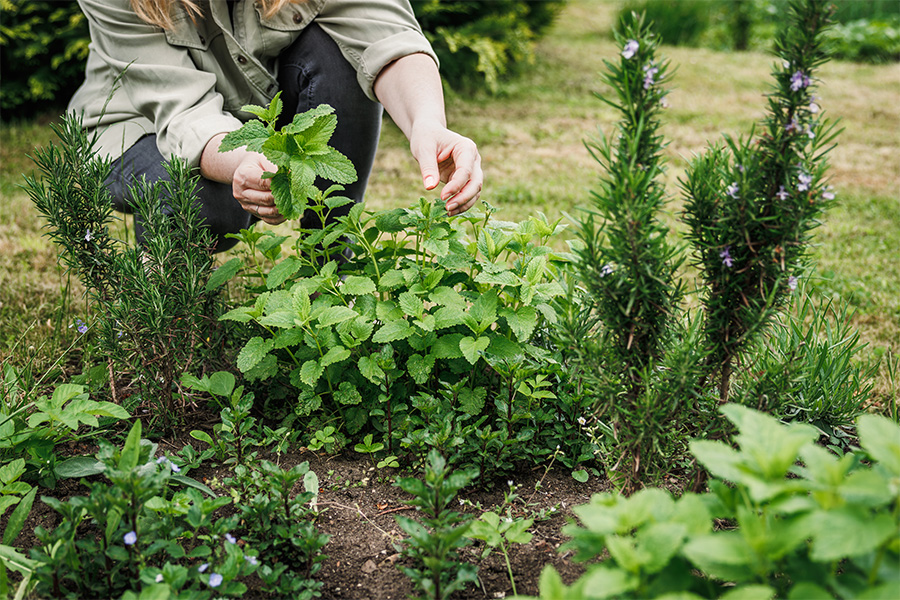
To truly embrace the garden-to-table philosophy, consider growing some of the vegetables featured in these recipes. You don’t need a large garden; even a small patio container garden can yield a surprising amount of produce. Radishes are one of the easiest vegetables to grow – they mature quickly and can be harvested in just a few weeks.
Lettuce is another easy option. You can grow a variety of lettuce types – romaine, butterhead, leaf lettuce – and harvest the leaves as needed. Peas are a bit more challenging, but the reward is worth the effort. Fresh peas are incredibly sweet and flavorful. Spinach is also relatively easy to grow and provides a healthy dose of vitamins and minerals.
Starting seeds indoors is a great way to get a head start on the growing season. You’ll need a sunny windowsill or a grow light, as well as some seed-starting mix. Once the seedlings have developed a few sets of true leaves, you can transplant them into the garden. Remember to water regularly and provide adequate sunlight.
Gardening is a rewarding experience that connects you to the land and provides fresh, healthy ingredients for your meals. It’s a skill that can be passed down through generations, and it’s a wonderful way to appreciate the bounty of nature. Plus, there’s nothing quite like the taste of a tomato you’ve grown yourself.

No comments yet. Be the first to share your thoughts!