
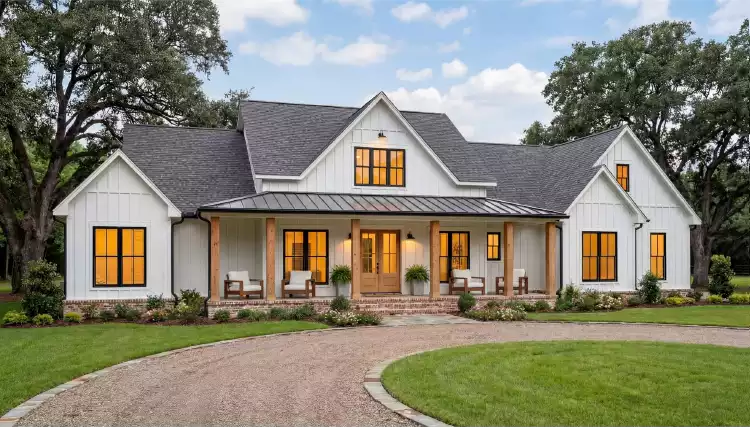

Defining the Southern aesthetic
Southern home decor balances refined tradition with lived-in comfort. It feels collected over time rather than staged for a single moment. The style prioritizes light, airy spaces that invite relaxation while maintaining a sense of gracious elegance.
At its core, this aesthetic relies on natural materials and soft textures. Think linen slipcovers, weathered wood, and woven rattan. These elements ground the space, preventing it from feeling too formal or stiff. The goal is a home that looks beautiful but feels welcoming enough for bare feet and casual Sunday dinners.
Lighting plays a pivotal role in achieving this look. Natural light floods through large windows, often dressed with sheer curtains or simple shutters. When evening falls, warm ambient lighting from table lamps and chandeliers creates a cozy atmosphere. This interplay of light and shadow adds depth and character to the room.
Color palettes in Southern homes tend to be soft and neutral. Whites, creams, and soft grays form the foundation, allowing architectural details like moldings and mantels to stand out. Pops of color come from accessories like throw pillows, artwork, or fresh flowers, keeping the overall look fresh and inviting.


As an Amazon Associate, we may earn from qualifying purchases.
Choose a cohesive color palette
Start with a base of warm whites or soft creams to let the architecture breathe. Southern homes rely on light to highlight details like wainscoting and wide-plank floors. From there, pick one or two accent colors that anchor the room without overwhelming it.
Coastal palettes lean on crisp whites and seafoam greens, while plantation styles often feature deeper sage or navy. Cottage interiors might stick to muted yellows and dusty blues. The goal is consistency; repeat your chosen accent in pillows, curtains, and a single piece of art to tie the space together.
A simple way to balance these tones is the 70/30 rule. Let 70% of the room be your neutral base, then use the remaining 30% for your accent colors and textures. This prevents the space from feeling flat or overly busy.
| Style | Primary | Accent |
|---|---|---|
| Coastal | Crisp White | Seafoam Green |
| Plantation | Warm Cream | Deep Navy |
| Cottage | Muted Yellow | Dusty Blue |


As an Amazon Associate, we may earn from qualifying purchases.
Select key furniture pieces
The foundation of a timeless Southern home rests on a few substantial, well-made items. Instead of filling every corner, choose pieces that anchor the room and stand up to daily life. Slipcovered sofas and solid wood dining sets are the standard for a reason: they age gracefully and welcome guests without pretense.
The slipcovered sofa
A linen or cotton slipcover is the workhorse of Southern living. It invites you to sit down, relax, and forget about spills. The fabric softens over time, developing a lived-in look that feels welcoming rather than worn. When choosing one, look for deep seats and removable covers for easy washing.
The wooden dining set
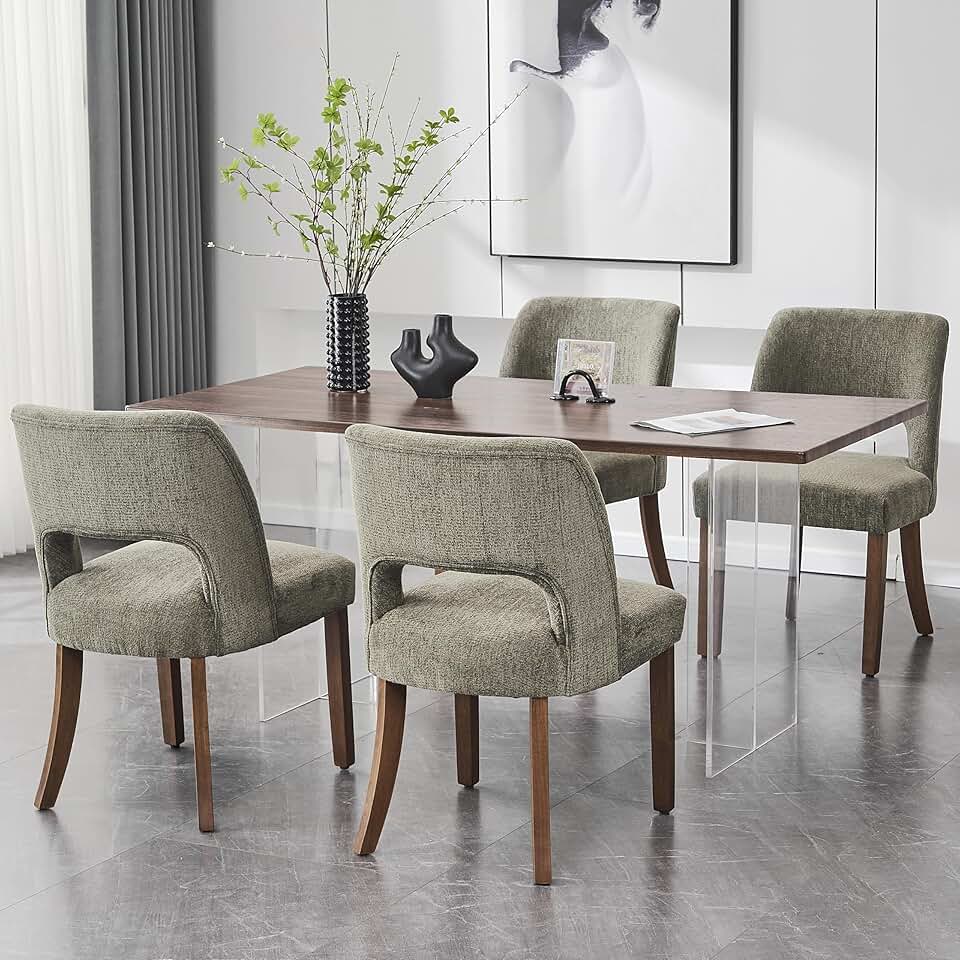
Solid wood tables, particularly in oak or walnut, provide a sturdy center for family meals. They are built to last generations and often look better with age. Pair them with simple, upholstered chairs to keep the look balanced and comfortable for long dinners.



As an Amazon Associate, we may earn from qualifying purchases.
These items do not need to match perfectly, but they should share a common material or color palette. This approach keeps the space feeling cohesive without looking like a showroom. Focus on quality over quantity, and let the furniture breathe in the room.
Add Texture Through Textiles
Southern style relies on a specific kind of warmth that paint alone cannot provide. Without the right fabrics, a room with white walls and light wood floors can feel sterile, like a showroom rather than a home. Textiles provide the necessary grit and softness, grounding the space with tactile depth that invites touch.
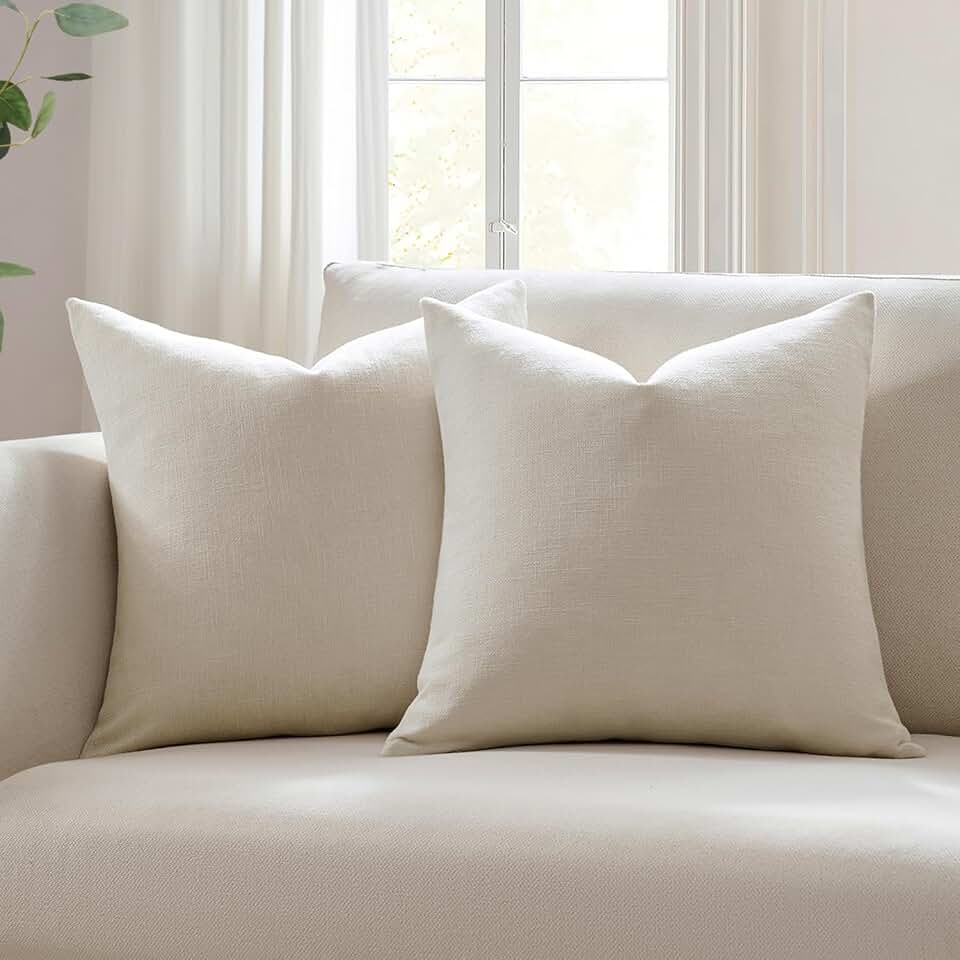
Linen is the foundation of this texture. Its natural slubs and slight wrinkles soften the rigid lines of furniture and architecture. A linen sofa or heavy curtains absorb light differently than synthetic blends, creating a lived-in feel that improves with age. Pair these with cotton throws that offer a crisp, clean contrast, allowing the eye to rest on varied surfaces.
Jute and sisal rugs bring an earthy, organic element that defines the Southern aesthetic. These woven fibers add visual weight to the floor, preventing the space from feeling too airy or floating. They anchor seating areas and add a subtle roughness that balances smoother surfaces like polished wood or ceramic tile.
Botanical throw pillows introduce pattern without overwhelming the palette. Look for muted greens, ochres, or faded florals that mimic the landscape outside. These small accents tie the room together, bridging the gap between the neutral base and the natural textures of the home.


As an Amazon Associate, we may earn from qualifying purchases.
Incorporate personal artifacts
Southern style feels lived-in because it is. A house full of generic throw pillows reads like a showroom, but a mantle crowded with family heirlooms, thrifted ceramics, and local art tells a story. The goal is to create a "collected" look where every object has a reason to exist.
Start with family heirlooms. A vintage quilt draped over a rocking chair or a set of grandmother’s china displayed on open shelving adds immediate warmth and history. These items ground the space in personal heritage, making the decor feel authentic rather than staged. They serve as conversation starters and visual anchors that generic retail items simply cannot replicate.
Complement these sentimental pieces with local art and thrifted finds. Visit regional galleries for wildlife prints or landscape paintings that reflect your specific area. Pair these with unique ceramics or rustic wood boxes found at estate sales or antique shops. This mix of high and low, new and old, creates depth and character that defines timeless Southern living.


As an Amazon Associate, we may earn from qualifying purchases.
Avoiding the Theme Park Effect
Southern style is often mistaken for a costume. When every room features matching wicker furniture, excessive gingham, and literal shrimp prints, the space stops feeling like a home and starts feeling like a lobby. The goal is refined comfort, not a caricature.
Using the 70/30 balance helps here. Let 70% of the room be neutral and grounded—think linen sofas, wood floors, and simple walls. Use the remaining 30% for those bold Southern accents. This balance keeps the space livable and prevents the decor from overwhelming the architecture.
Mixing eras also saves the day. Pair a vintage chandelier with a modern sofa. Use antique brass lamps on a sleek console. This layering creates depth. It signals that the home was collected over time, not bought in a single trip to a tourist shop.
Curated Southern Accents
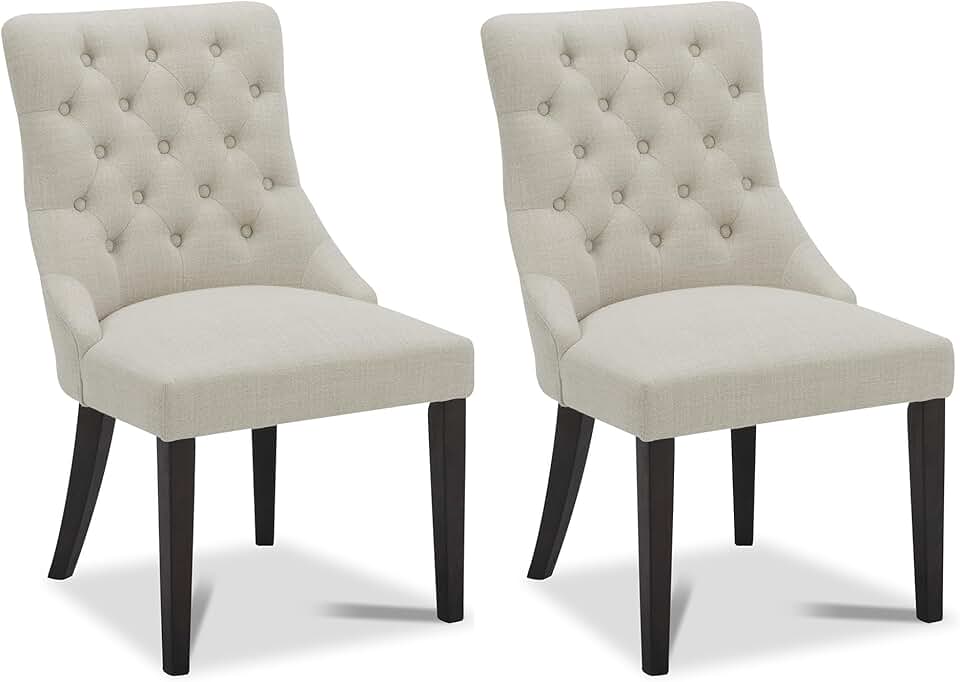
Instead of buying full themed sets, pick individual pieces that add character without shouting. These items work as anchors in a broader, more sophisticated design scheme.


As an Amazon Associate, we may earn from qualifying purchases.
Frequently asked: what to check next
How do I apply the 70/30 rule in Southern decor? The 70/30 rule suggests that 70% of a room should be dominated by a primary element, such as a neutral color or large furniture style, while the remaining 30% is reserved for accent elements. In Southern decor, this often means letting a neutral base like linen or oak take the lead, while using bold patterns or vibrant textiles for the smaller accents to create visual interest without clutter.
What is the 3/4/5 rule in decorating? Coined by designer Nancy Cavaliere, this method keeps a space from feeling flat by mixing three patterns, four period styles, and five colors or textures in each room. For a timeless Southern home, this might look like combining a traditional rug, a modern lamp, and a vintage mirror, all tied together with a cohesive palette of whites, blues, and natural woods.
How do I mix modern and traditional Southern furniture? Balance is key: anchor the room with a substantial traditional piece, like a wingback chair or a carved wooden table, and pair it with a sleek, modern sofa or lighting fixture. This contrast prevents the space from feeling like a museum while maintaining that classic Southern graciousness. Stick to neutral upholstery for the larger pieces to keep the look grounded.
No comments yet. Be the first to share your thoughts!