

Southern Roots, Plant-Based Future
Southern food is a cornerstone of American cuisine, built on generations of tradition and a deep connection to the land. It evokes feelings of home, family, and comfort. Traditionally, it relies heavily on ingredients like pork, butter, and dairy. A growing number of people are interested in plant-based eating for health, ethical reasons, or simply to try something new.
This is about evolving cherished traditions, not abandoning them or saying the old ways were wrong. We can maintain those same flavors and feelings of comfort while making choices that align with a plant-focused lifestyle. It’s a delicious challenge. Southern cooking’s resourcefulness—cooks always made do with what they had—allows for these transformations.
Reimagining these dishes isn’t about imitation. It’s about understanding the underlying flavors and textures that make Southern food special—the slow-cooked tenderness, smoky depth, and sweet and savory balance—and finding plant-based ways to achieve those results. It requires creativity, experimentation, and respect for the cuisine’s history. This article offers vegan twists on ten classic recipes.
Grits Reimagined: Beyond Butter & Cheese
Grits are a Southern staple. Stone-ground, creamy, and versatile, they’ve graced tables for generations. Traditionally, they’re cooked with butter, milk, and cheese. Shrimp and grits is a Lowcountry favorite. What happens when you want that comforting bowl of grits without dairy?
Grits translate beautifully to a plant-based diet. The base—ground corn—is inherently vegan. The cooking liquid and additions need attention. Almond, oat, and cashew milk work well, each imparting a slightly different flavor. Oat milk creates a particularly creamy texture. Nutritional yeast is your secret weapon for cheesy flavor, providing a savory umami note that mimics cheddar. Start with about ¼ cup of nutritional yeast per cup of grits, and adjust to your liking.
Combine 1 cup of stone-ground grits with 4 cups of plant-based milk and a pinch of salt in a saucepan. Bring to a boil, then reduce heat and simmer for 20-25 minutes, stirring frequently, until thickened and creamy. Stir in 2-3 tablespoons of vegan butter and ¼ cup of nutritional yeast. The possibilities are endless. Dora’s Table offers inspiration for vegan grits variations, like adding roasted vegetables for a savory twist, or maple syrup and fresh berries for a sweeter treat.
- Combine 1 cup stone-ground grits, 4 cups plant-based milk, and a pinch of salt.
- Bring to a boil, then reduce heat and simmer for 20-25 minutes, stirring frequently.
- Stir in 2-3 tablespoons vegan butter and ¼ cup nutritional yeast.
- Add your favorite toppings!
Veganizing the Gravy: Mushroom Magic
Southern gravy is often rich and creamy, traditionally made with meat drippings, butter, and milk. Recreating that flavor profile without animal products takes ingenuity. The key is building depth of flavor and achieving a satisfying, velvety texture. Mushrooms help achieve this.
Mushroom broth is an excellent base for vegan gravy, providing a savory umami flavor that mimics meat drippings. Combine this with nutritional yeast for a cheesy undertone, and a roux made with flour (or cornstarch for a gluten-free option) to thicken it. Different mushrooms yield different results. Cremini mushrooms provide a good all-purpose flavor. Shiitake and oyster mushrooms offer more intense, woodsy notes.
Blacks Going Vegan has a fantastic take on grits and gravy, emphasizing seasoning. Experiment with smoked paprika, garlic powder, onion powder, and black pepper. Liquid smoke can add a subtle smokiness that elevates the flavor. A well-seasoned gravy is crucial. A slow simmer allows flavors to meld and gravy to thicken beautifully.
Fried 'Chicken' Without the Chicken
Vegan fried 'chicken' is a holy grail for many plant-based cooks. Replicating the crispy, juicy, and flavorful experience of traditional fried chicken is a tall order, but achievable with the right techniques and ingredients. Choose your plant-based protein: seitan, with its meaty texture, is popular. Oyster mushrooms, with their layered structure, also work well. Cauliflower, prepared correctly, can deliver a satisfying crunch.
A marinade is essential for infusing flavor and tenderizing the protein. A buttermilk substitute—made by combining plant-based milk with lemon juice or apple cider vinegar—works wonders. Add spices: garlic powder, onion powder, paprika, cayenne pepper, and black pepper. Marinate the protein for at least 30 minutes, or overnight for maximum flavor. The breading is equally important. A classic combination of seasoned flour and panko breadcrumbs creates a crispy coating.
For frying, use an oil with a high smoke point—peanut or canola oil are good choices. Heat the oil to 350°F (175°C) and fry the "chicken’ in batches, without overcrowding the pan. Fry for about 6-8 minutes per side, until golden brown and crispy. While we can"t exactly replicate the flavor of fried chicken, we can get close. Experiment with different seasonings and marinades to find what you like best.
Drain the fried 'chicken' on a wire rack to remove excess oil. Serve hot with your favorite Southern sides—collard greens, mashed potatoes, and vegan gravy.
Collard Greens: A Soulful Transformation
Collard greens are a cornerstone of Southern cuisine, slow-cooked to tender perfection with smoked meat—ham hocks, bacon, or smoked turkey. The challenge is to achieve that same depth of flavor without meat. Plant-based alternatives that mimic smoky, savory notes are key.
undefined flavors. Don't skimp on the seasoning – garlic, onion, and plenty of black pepper are essential.
The long cooking time is crucial for tenderizing the collard greens. Traditionally, they’re simmered for hours, and the same principle applies to vegan versions. Be patient, and allow the flavors to meld and the greens to become incredibly tender. This is a dish that truly benefits from time and attention.
Mac & 'Cheese' That Actually Delivers
Vegan mac and 'cheese' has come a long way, but it can still be tricky to get right. The biggest challenge is achieving that creamy, cheesy texture without dairy. There are a few different approaches you can take. Butternut squash is a popular base, providing a naturally creamy and slightly sweet flavor. Cashew cream is another excellent option, offering a rich and decadent texture.
Nutritional yeast, as always, is essential for that cheesy flavor. Don’t be shy with it! Dijon mustard adds a nice tang that cuts through the richness. Experiment with different pasta shapes – elbow macaroni is classic, but shells or cavatappi also work well. A little bit of garlic powder and onion powder can also enhance the flavor.
I've found that combining butternut squash puree with cashew cream yields the best results – it offers both creaminess and a cheesy flavor. Blend the butternut squash, cashews (soaked in hot water for at least 30 minutes), nutritional yeast, Dijon mustard, and seasonings until smooth and creamy. Toss with cooked pasta and bake for a bubbly, golden-brown finish.
Vegan Cheese Sauce Base Comparison for Southern Dishes
| Base Ingredient | Creaminess | Flavor Profile | Ease of Preparation | Typical Cost |
|---|---|---|---|---|
| Cashews | Very Creamy | Neutral, easily adaptable to various seasonings | Requires soaking (at least 30 minutes, often longer) and a high-speed blender | Moderate - Cashews are generally more expensive than other options. |
| Butternut Squash | Creamy | Slightly sweet and nutty; pairs well with mac & cheese or creamy vegetable dishes | Relatively easy - roasting or boiling required, then blending | Low to Moderate - dependent on seasonal availability. |
| Potatoes (Russet or Yukon Gold) | Moderately Creamy | Mild, slightly earthy; benefits from strong seasoning | Easy - boiling required, then blending | Low - Potatoes are a very affordable base. |
| Cashews & Potatoes | Extremely Creamy | Balanced – the cashew provides richness while the potato adds body | Moderate - requires soaking cashews and boiling potatoes | Moderate to High - combines the cost of both ingredients. |
| Butternut Squash & Cashews | Very Creamy | Sweet and rich, with a subtle nuttiness | Moderate - roasting squash and soaking cashews required | Moderate to High - combines the cost of both ingredients. |
| White Beans (Cannellini or Great Northern) | Smooth, less creamy than cashew-based | Subtle, slightly beany; requires robust seasoning | Easy - requires rinsing and blending, may benefit from cooking | Low - Beans are a very affordable base. |
Illustrative comparison based on the article research brief. Verify current pricing, limits, and product details in the official docs before relying on it.
Pecan Pie: Sweet Southern Satisfaction
Pecan pie is a classic Southern dessert, known for its rich, sweet, and nutty flavor. The traditional recipe relies heavily on corn syrup, which can be a challenge to replace in a vegan version. Fortunately, there are several excellent alternatives.
Maple syrup, agave nectar, and date paste are all good options. Maple syrup imparts a subtle maple flavor, while agave nectar is more neutral. Date paste provides a rich, caramel-like sweetness. You’ll also need a vegan pie crust – many store-bought crusts are accidentally vegan, or you can make your own using plant-based butter. Ensuring the filling sets properly is key. A little cornstarch can help with that.
A touch of bourbon (optional, but highly recommended) can enhance the flavor of the pecan pie. It adds a subtle warmth and complexity. Bake the pie until the filling is set and the crust is golden brown. Let it cool completely before serving.
Beyond the Basics: Standout Swaps
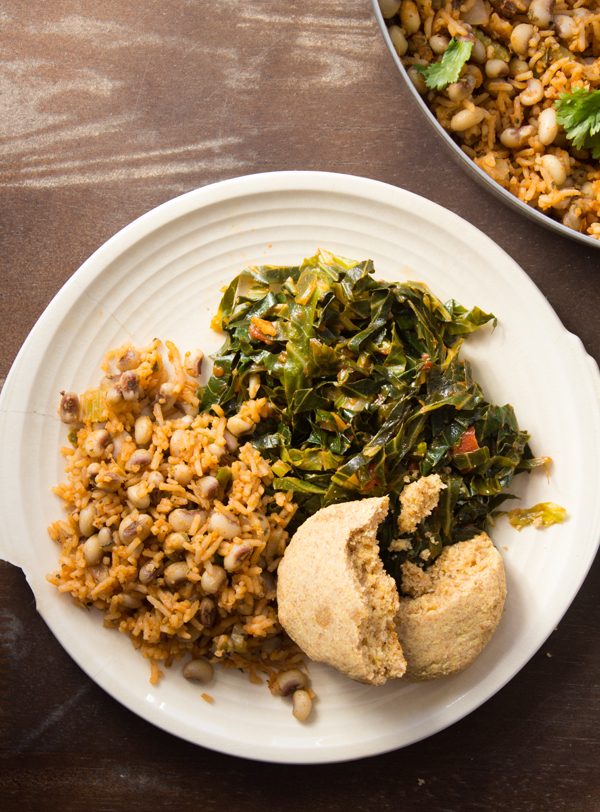
The beauty of plant-based Southern cooking is its versatility. Once you master the basic techniques, you can apply them to a wide range of dishes. Black-eyed peas, a Southern New Year’s Day tradition, can be easily veganized by using vegetable broth and smoked paprika instead of ham hocks. Sweet potato casserole can be made with plant-based butter and vegan marshmallows.
Banana pudding, another Southern favorite, can be transformed using coconut cream and vegan cookies. These are just a few examples of how you can adapt classic Southern recipes to fit a plant-based lifestyle. Don’t be afraid to experiment and get creative. The goal is to capture the essence of Southern flavor while making choices that align with your values.
The key is to focus on flavor building – using spices, herbs, and plant-based ingredients to create depth and complexity. With a little imagination, you can enjoy all the comfort and deliciousness of Southern cuisine without compromising your dietary preferences.


No comments yet. Be the first to share your thoughts!