

Southern Roots, Plant-Based Future
For generations, Southern cooking has been synonymous with hospitality, family, and deeply satisfying flavors. The idea of vegan Southern food might raise a few eyebrows, but it's gaining serious traction. The heart of Southern cuisine – resourcefulness, seasonality, and bold taste – lends itself beautifully to plant-based adaptations.
Historically, Southern food was born from necessity. Enslaved Africans and poor farmers made the most of what they had, utilizing every part of the plant or animal. They developed techniques to preserve food, like pickling and smoking, and relied heavily on ingredients grown locally. This reliance on fresh, seasonal produce is a cornerstone of the cuisine, and it’s a perfect foundation for vegan cooking.
The misconception that Southern food requires meat to be comforting is strong, but it’s not true. Comfort comes from the flavors, textures, and connection to tradition. We can recreate those feelings with plant-based ingredients. A hearty stew doesn’t need beef to be filling, and a creamy sauce doesn’t need dairy to be decadent.
This isn’t about sacrificing flavor or authenticity. It’s about reimagining classic dishes with a modern, compassionate approach, showing that Southern hospitality extends to all living beings and that a plant-based diet can be just as satisfying and soul-warming as traditional fare. Chefs and home cooks alike are embracing the possibilities of vegan Southern cuisine.
Grits Reimagined: Beyond Shrimp & Butter
When you think of grits, shrimp and butter probably come to mind. But this humble grain is more versatile. Grits are a Southern staple because they’re comforting, filling, and adaptable. The key to great vegan grits starts with understanding the different types. Stone-ground grits, made from coarsely ground corn, have a wonderful texture and nutty flavor. They take 30-45 minutes to cook, but the result is worth the wait.
Quick-cooking grits are processed more finely and cook in a few minutes. While convenient, they often lack the depth of flavor and texture of stone-ground grits. White and yellow grits are also available, with white grits being slightly sweeter and milder. For vegan recipes, I reach for stone-ground grits, but quick-cooking grits can work in a pinch.
Now, for variations. Savory grits are a fantastic base for roasted vegetables like mushrooms, bell peppers, and onions. A swirl of cashew cream adds richness and depth. Nutritional yeast provides a cheesy flavor, while a puree of cooked potato and carrot creates a convincing, creamy texture. Some folks use a combination of both. For sweet grits, a drizzle of maple syrup and fresh berries are all you need. Cinnamon or nutmeg can elevate the flavor.
Grainy grits are a common complaint. Whisk constantly while adding liquid (plant-based milk or water) and cook over low heat. If your grits are grainy, blend them with an immersion blender for a smoother consistency. Don’t skimp on the salt; grits need good seasoning. Anson Mills offers excellent stone-ground grits, though they’re an investment.
- Savory Grits: Roasted vegetables, cashew cream, nutritional yeast, potato-carrot puree
- Sweet Grits: Maple syrup, berries, cinnamon, nutmeg
- Cheesy Grits: Nutritional yeast, potato-carrot puree
Collard Greens: A Vegan Transformation
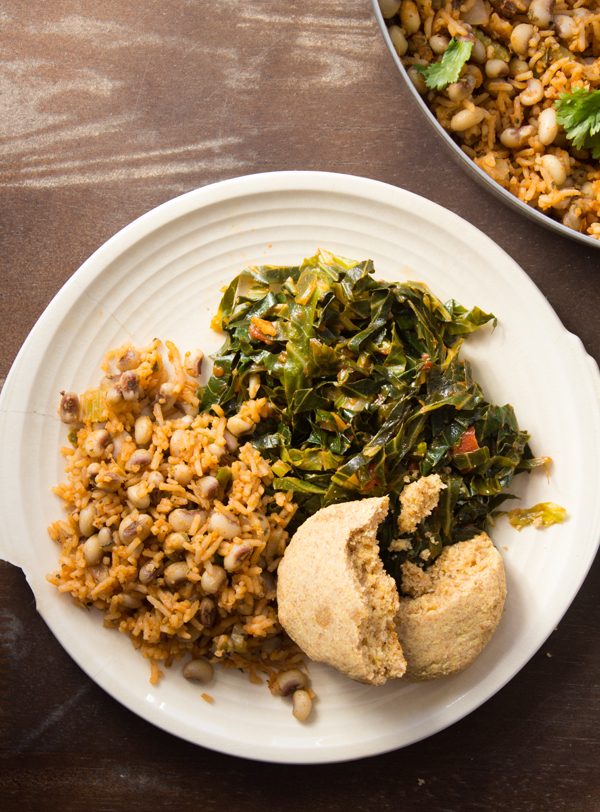
Collard greens are traditionally slow-cooked with smoked meat – ham hocks, bacon, or smoked turkey – to impart a deep, smoky flavor. Achieving that same depth of flavor without meat takes creativity but is possible. Layering smoky flavors and using techniques that mimic long, slow cooking is key.
Liquid smoke is a good starting point. A little goes a long way, so start with a teaspoon and add more to taste. Smoked paprika is another essential ingredient; I prefer Spanish smoked paprika (pimentón de la Vera) for its intense flavor. Mushroom broth adds umami and richness. Slow cooking is crucial for melding flavors and tenderizing the greens. Simmer them for at least an hour, or longer.
Vinegar plays a significant role in collard greens' flavor. Apple cider vinegar is a classic choice, but red wine or balsamic vinegar can add interesting nuances. Experiment to find your preference. The amount of vinegar used affects the final flavor; start with a tablespoon and adjust to taste. The vinegar’s acidity will mellow during long cooking.
Remove tough stems before cooking and wash greens thoroughly. Add a pinch of sugar to balance the vinegar's acidity. Add a dash of red pepper flakes for heat. A good simmer time is 1.5-2 hours. Using a Dutch oven helps retain moisture.
Plant-Based 'Fried Chicken' Secrets
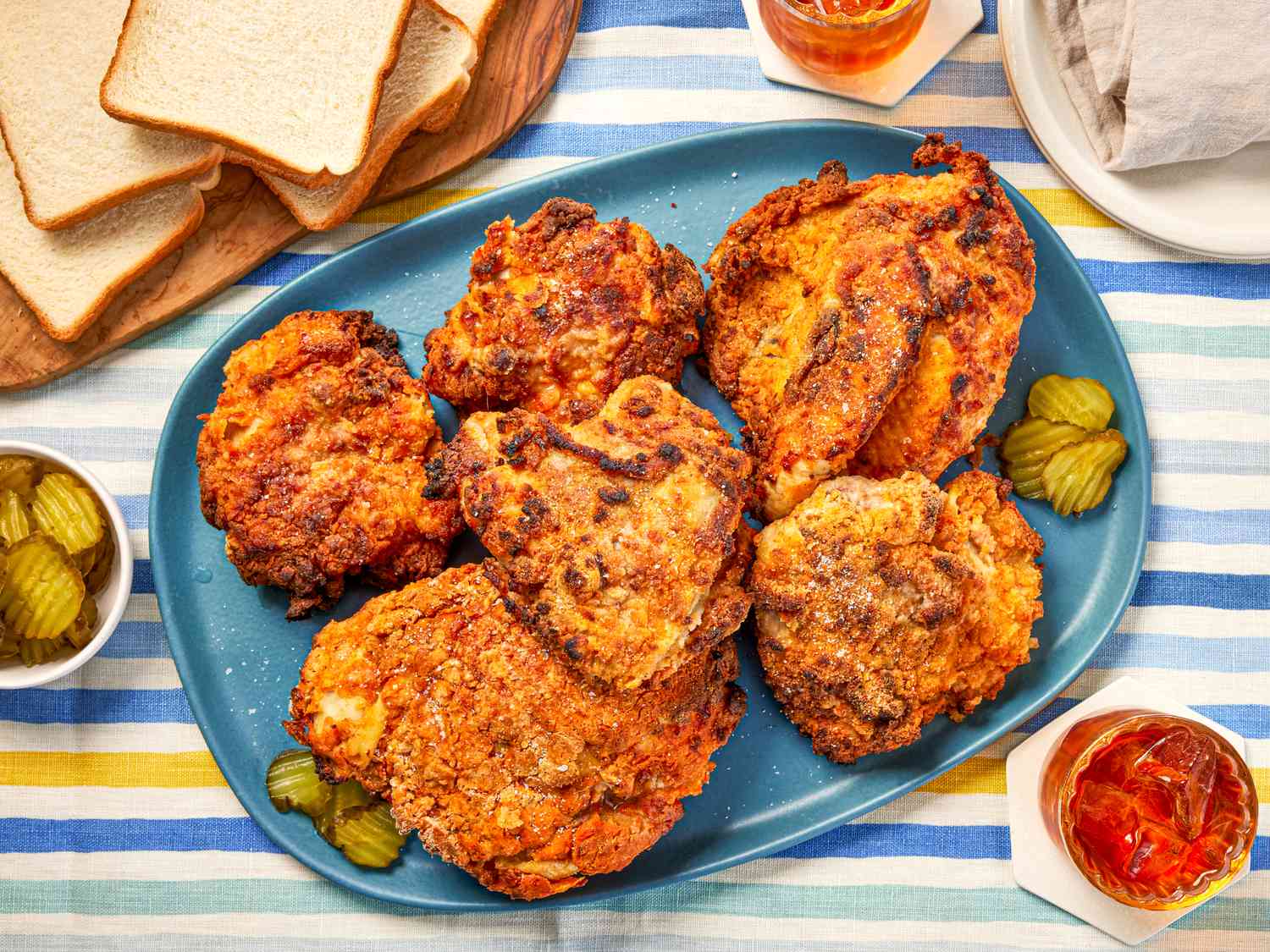
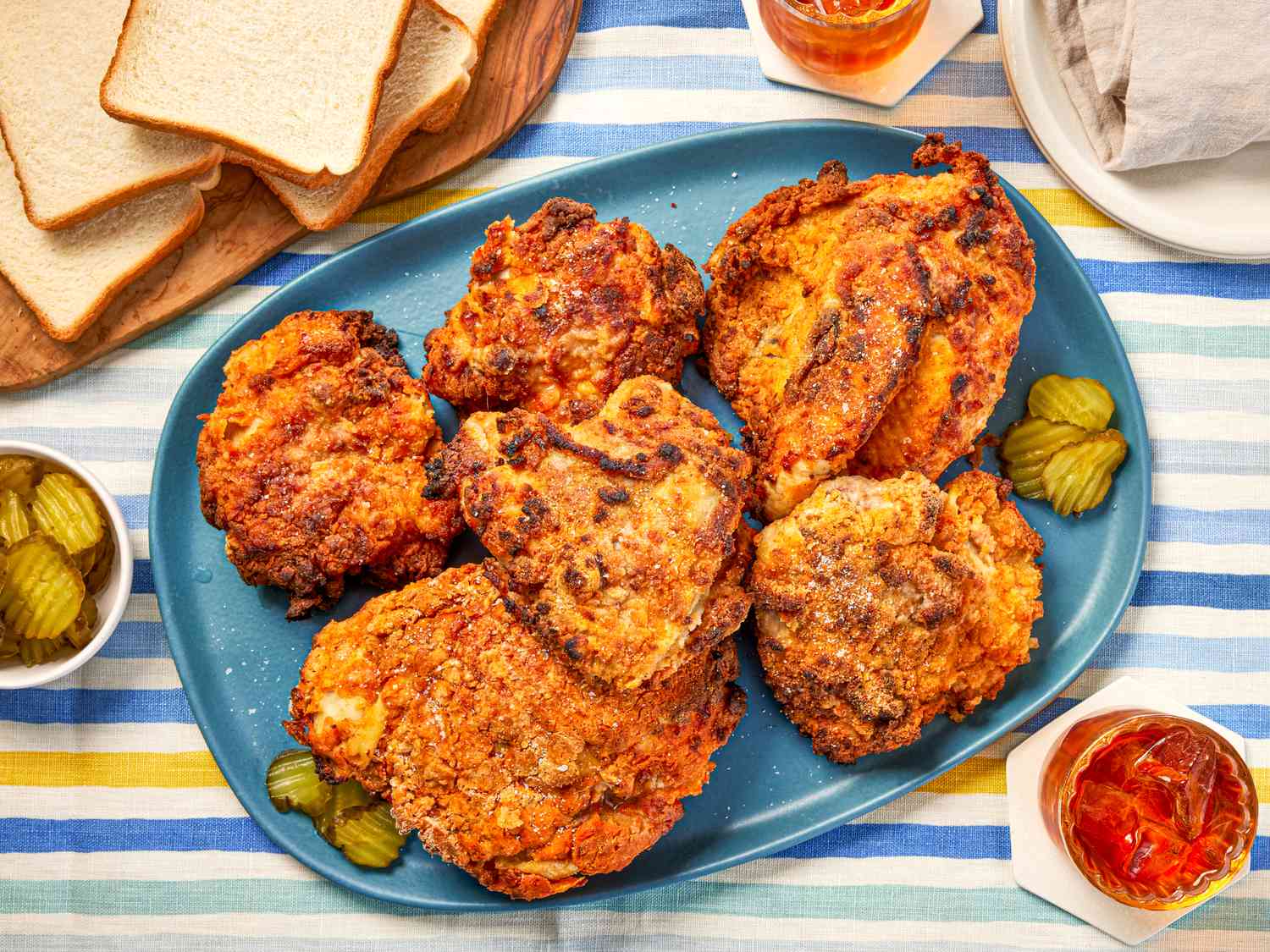
Vegan fried "chicken" is often considered the holy grail of plant-based Southern cooking. It's a challenge, but a rewarding one. The protein source is crucial. Seitan, made from wheat gluten, offers a chicken-like texture but isn’t suitable for those with gluten sensitivities. Oyster mushrooms have a naturally meaty texture and absorb flavors beautifully. Extra-firm tofu is versatile but requires pressing. Cauliflower, while not mimicking chicken, can be delicious when coated in a flavorful batter.
My go-to recipe uses oyster mushrooms, which have a natural "shred’ resembling pulled chicken. The secret to crispy vegan fried ‘chicken" is a brine, a seasoned flour coating, and a double-fry technique. The brine tenderizes the mushrooms and infuses them with flavor. I use vegetable broth, soy sauce, garlic powder, onion powder, and paprika. The flour coating should be well-seasoned with salt, pepper, paprika, garlic powder, onion powder, and a touch of cayenne pepper.
The double-fry technique is essential for maximum crispiness. The first fry, at 325°F, cooks the mushrooms through. The second fry, at 375°F, crisps the coating. Don’t overcrowd the fryer, as this lowers the oil temperature and results in soggy "chicken’. Seasoning is paramount; don"t be shy with spices to build layers of flavor.
Add a touch of nutritional yeast to the flour coating for a subtle cheesy flavor. A good vegan fried "chicken’ deserves a generous drizzle of hot sauce. Ugly Vegan Kitchen has good recipes, particularly their oyster mushroom ‘chicken".
Mac & Cheese: The Vegan Upgrade
Vegan mac and cheese has come a long way from bland, watery imitations. With know-how, you can create a creamy, flavorful vegan mac and cheese that rivals the classic. The sauce base is the foundation. Cashew cream offers a rich, decadent texture. Butternut squash puree provides a naturally sweet, creamy base, while a puree of cooked potato and carrot creates a cheesy flavor.
Nutritional yeast is essential for that signature cheesy flavor. Use at least ¼ cup per batch. Toasting nutritional yeast in a dry skillet for a few minutes before adding it to the sauce amplifies the flavor. A touch of Dijon mustard adds a subtle tang and complexity.
undefined. Feel free to get creative with toppings! Bread crumbs, roasted vegetables, and vegan bacon bits all add texture and flavor.
Experiment with different cheeses! There are several excellent vegan cheese brands available now, such as Violife and Daiya. A sprinkle of vegan cheddar shreds can add an extra layer of cheesiness. I've found that a little smoked paprika in the sauce adds a lovely depth of flavor. Check out Dora's Table for a great starting point.
Vegan Mac & Cheese: Avoiding Common Pitfalls
- Unseasoned Sauce Base - A bland sauce is the quickest way to a disappointing vegan mac. Don’t skimp on the nutritional yeast (Red Star Vegetarian Support is a popular choice), garlic powder, onion powder, and smoked paprika. Taste and adjust frequently!
- Insufficient Sauce Blend - Achieving a smooth, creamy texture requires a high-powered blender like a Vitamix or Blendtec. A less powerful blender may leave a grainy texture. Blend for *at least* a minute, scraping down the sides as needed.
- Overcooked Pasta - Mushy mac and cheese is a no-go. Cook your pasta (Barilla is a widely available brand) *al dente* – slightly firm to the bite – as it will continue to soften when mixed with the sauce and baked (if baking).
- Not Enough Fat - Vegan cheese sauces often need a good dose of healthy fat for richness and mouthfeel. Cashews (available from brands like NOW Foods) are a common base, but adding a tablespoon or two of vegan butter (Miyoko's Kitchen Cultured Vegan Butter is a well-regarded option) or coconut oil can make a big difference.
- Skipping the Acid - A touch of acidity brightens the flavor and cuts through the richness. A squeeze of lemon juice or a teaspoon of apple cider vinegar (Bragg Organic Raw Apple Cider Vinegar is a popular brand) can elevate the entire dish.
- Using the Wrong Potato Variety - If your recipe includes potatoes, Russet potatoes are generally best for a creamy texture. Waxy potatoes can make the sauce gummy. Idahoan brand is a common choice.
Sweet Potato Pie: A Southern Classic
No Southern menu is complete without sweet potato pie. Luckily, this classic dessert is surprisingly easy to veganize. The key is to find a good substitute for the eggs and dairy traditionally used in the filling. A combination of sweet potato puree, plant-based milk, maple syrup, and cornstarch creates a smooth, creamy filling.
You can use a homemade or store-bought vegan pie crust. If you’re making your own, be sure to use a vegan butter substitute. The spices are crucial to the flavor of sweet potato pie. Cinnamon, nutmeg, ginger, and allspice are all essential. I also like to add a pinch of cloves for a warm, inviting aroma. Maple syrup adds sweetness and a subtle caramel flavor.
To prevent cracking, bake the pie at a moderate temperature (350°F) and avoid overbaking. If the crust starts to brown too quickly, cover it with foil. Let the pie cool completely before slicing. A dollop of vegan whipped cream is the perfect finishing touch. I've found that adding a tablespoon of lemon juice to the filling brightens the flavors.
For a richer flavor, you can roast the sweet potatoes before pureeing them. Roasting intensifies their sweetness and adds a smoky depth. Don't be afraid to experiment with different spices. A little cardamom or star anise can add a unique twist. You can find many variations on VegetarianSouth.com.
Beyond the Basics: 6 More Vegan Twists
We’ve covered some of the biggest hitters, but the possibilities for vegan Southern cooking don’t stop there. Let’s quickly explore six more plant-based twists on classic recipes. First up: vegan biscuits and gravy. Use a mushroom gravy made with vegetable broth, flour, and plenty of seasonings. Next, vegan gumbo, brimming with okra, plant-based sausage, and a rich, flavorful broth.
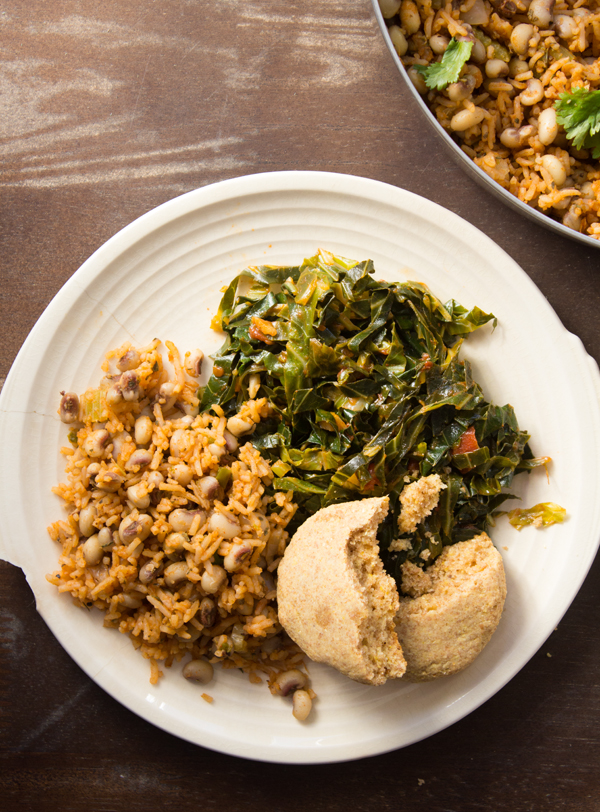
For a sweet treat, try vegan peach cobbler, made with ripe peaches and a flaky vegan biscuit topping. Don’t forget the vegan black-eyed peas, simmered with smoked paprika and a touch of liquid smoke. A Southern meal isn’t complete without cornbread, so whip up a batch of vegan cornbread using plant-based milk and a flax egg. And finally, vegan pecan pie, with a gooey pecan filling and a flaky vegan crust.
These are just a few ideas to get you started. The beauty of vegan Southern cooking is its adaptability. You can take any classic recipe and reimagine it with plant-based ingredients. The key is to focus on flavor and texture, and to embrace the resourcefulness that has always been at the heart of Southern cuisine.
For detailed recipes and inspiration, be sure to check out VegetarianSouth.com and DoraStable.com. They offer a wealth of vegan Southern recipes, from appetizers to desserts. You'll find everything you need to create a delicious and satisfying plant-based Southern feast.
Essential Tools for Vegan Southern Comfort Food
Pre-seasoned for a natural, easy-release finish · Excellent heat retention for even cooking · Durable and versatile for stovetop to oven use
A cast iron skillet is indispensable for achieving the perfect sear and crispy texture on plant-based versions of Southern staples like fried green tomatoes or cornbread.
Large 14-cup work bowl capacity · Includes slicing and shredding discs, and chopping blade · Powerful motor for efficient processing
This food processor will streamline the preparation of plant-based ingredients for dishes like vegan pimento cheese, mock 'pulled pork', or creamy sauces.
Powerful 700-watt motor · Includes whisk and chopper attachments · Ergonomic design for comfortable handling
An immersion blender is perfect for quickly creating smooth, velvety vegan gravies, soups, and dressings without transferring to a separate blender.
Durable borosilicate glass construction · Non-reactive for pure flavors · Oven, microwave, and dishwasher safe
A classic glass pie plate is essential for baking beautiful vegan fruit pies, pecan pies, or savory pot pies with perfectly golden crusts.
Heavy-gauge aluminum for even heating · Reinforced rim for durability · Non-stick surface for easy release and cleanup
This versatile half sheet pan is ideal for roasting vegetables, baking biscuits, or preparing sheet pan meals for a delicious and easy plant-based Southern feast.
As an Amazon Associate I earn from qualifying purchases. Prices may vary.
Sourcing Ingredients & Building a Pantry
Finding vegan Southern ingredients is becoming easier all the time. Specialty health food stores and vegan grocery stores are great places to start. Online retailers like Amazon and Thrive Market offer a wide selection of vegan products. Don’t overlook your local farmers markets – they’re a fantastic source of fresh, seasonal produce.
Building a well-stocked pantry is essential for vegan Southern cooking. Here are a few key staples: nutritional yeast for a cheesy flavor, liquid smoke for a smoky depth, smoked paprika for a smoky spice, plant-based milk (soy, almond, or oat), and vegetable broth for flavorful bases. Also, keep on hand a variety of beans (black-eyed peas, kidney beans, cannellini beans), spices (cinnamon, nutmeg, ginger, cayenne pepper), and flours (all-purpose, cornmeal).
Consider making your own vegan staples to save money and control the ingredients. Cashew cream is easy to make by blending soaked cashews with water. Vegetable broth can be made by simmering vegetable scraps with herbs and spices. You can also make your own vegan butter by blending plant-based oil with seasonings. It takes a little effort, but the results are worth it.
Don’t be afraid to experiment and get creative. Vegan Southern cooking is all about celebrating flavor and tradition, while embracing a compassionate lifestyle. With a little planning and a well-stocked pantry, you can create delicious and satisfying plant-based Southern meals that everyone will enjoy.
No comments yet. Be the first to share your thoughts!