

Plan the low-country brunch menu
A low-country brunch menu balances savory staples with sweet traditions, creating a spread that feels abundant without overwhelming the host. The goal is to anchor the meal with coastal ingredients like shrimp and grits while offering familiar Southern comfort foods that guests expect. This approach keeps the menu cohesive, focusing on what works best for a mid-morning gathering.
Start with the main course. Shrimp and grits are the undisputed centerpiece of any low-country brunch. The dish combines creamy stone-ground grits with sautéed shrimp, typically seasoned with bacon, scallions, and a touch of cayenne. It is hearty enough to serve as a primary dish but light enough to leave room for dessert. Pair this with a second savory option, such as biscuits with country ham or a simple egg casserole, to provide variety for those who prefer poultry or pork over seafood.
Next, plan the sides and sweets. Low-country cooking relies heavily on seasonal produce and simple preparations. Include fried green tomatoes or a fresh garden salad to cut through the richness of the main dishes. For dessert, sweet potato pie is a traditional favorite that complements the savory elements well. It is less heavy than pecan pie and fits the coastal theme perfectly. Keep the menu tight; three to four dishes are enough to impress without requiring you to spend the entire morning in the kitchen.
Prepare the savory brunch staples
The foundation of a Low-Country brunch relies on texture and temperature control. You are balancing creamy grits, crisp proteins, and rich sauces. To get this right, you need to cook these items in a specific order so everything hits the table hot.
Start with the shrimp and grits. This dish is the anchor of the menu. The grits need time to soften, while the shrimp cook in minutes. If you get this timing wrong, the dish falls apart.
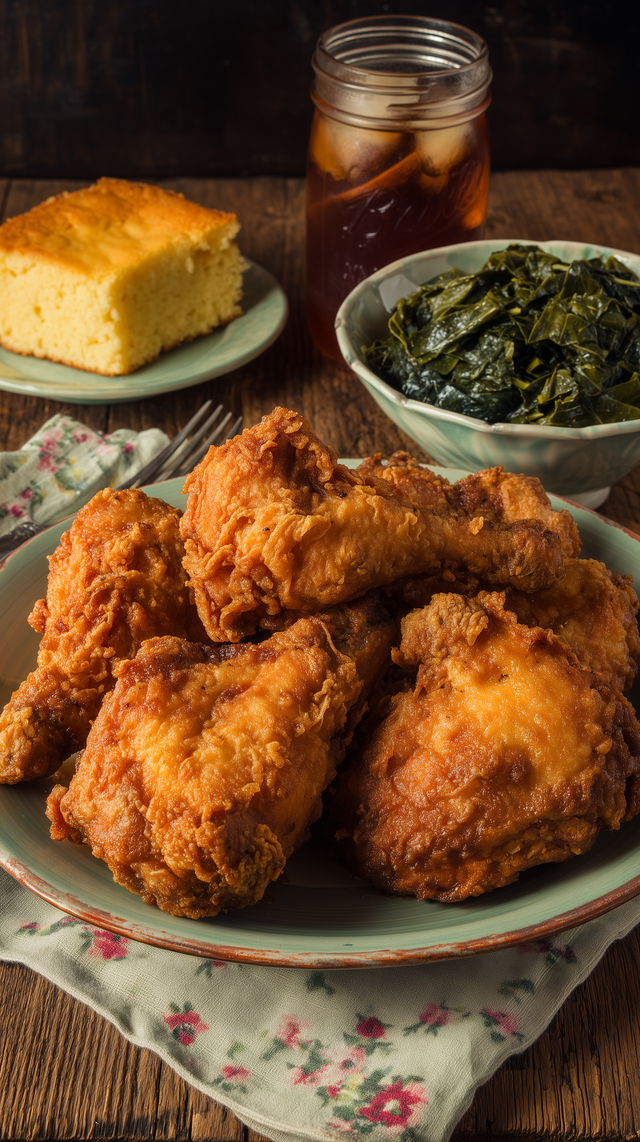
Start the grits immediately. Use a low simmer and stir frequently to prevent lumps. Add butter and cheese only when the grains are tender. Keep the pot covered and warm. The grits should be thick enough to hold a spoon but smooth enough to flow.
While the grits simmer, prepare the shrimp. Pat them dry to ensure a good sear. Make your sauce base separately—usually a mix of bacon fat, garlic, and a touch of cream or stock. Keep the sauce warm on low heat. This prevents the shrimp from overcooking when you combine everything.

Heat a skillet over medium-high heat. Add the shrimp in a single layer. Cook for just two minutes per side until pink and opaque. Do not overcrowd the pan. Overcrowding steams the shrimp instead of searing them, resulting in a rubbery texture. Remove them from the pan immediately.
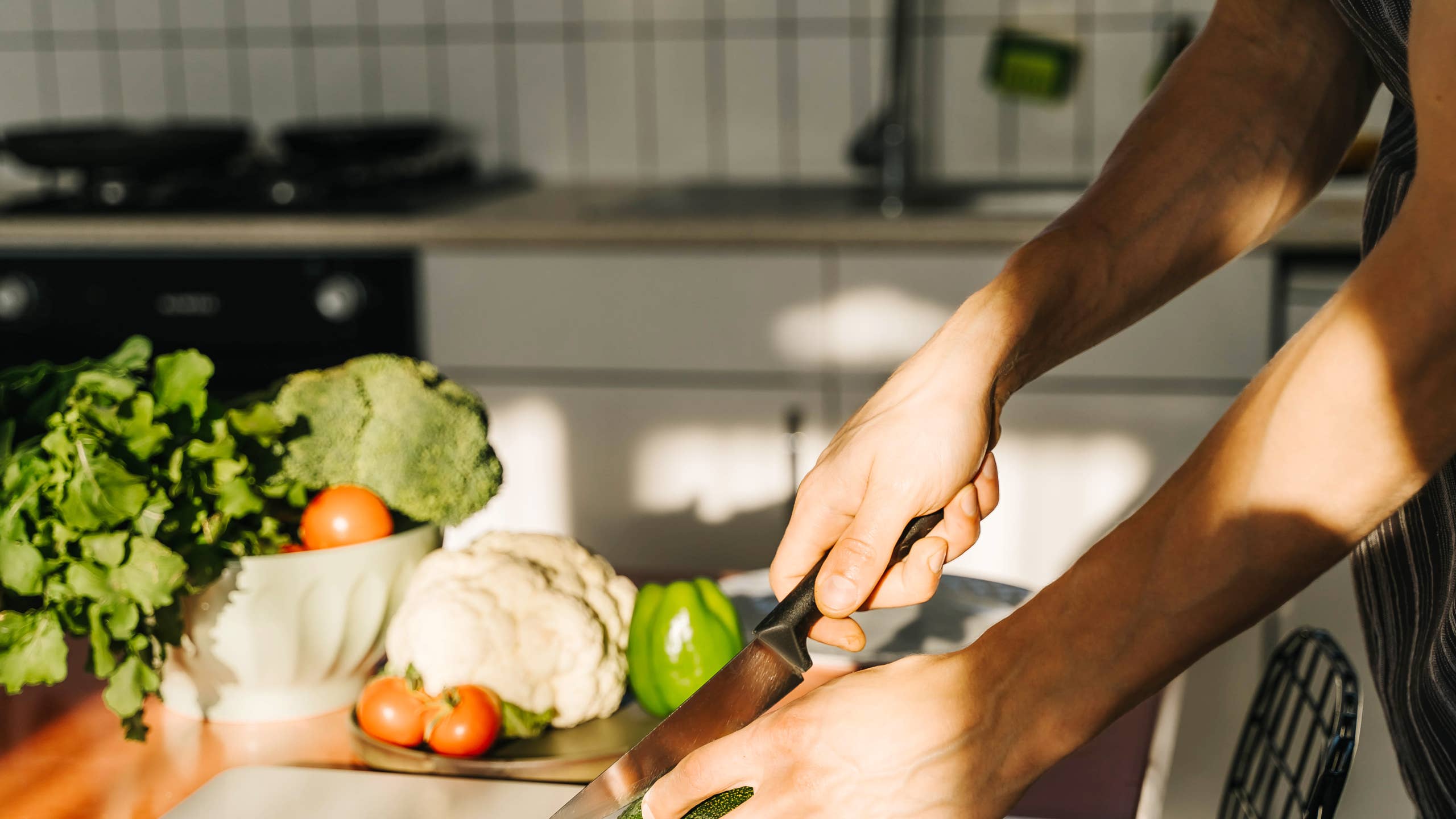
Spoon the warm grits into bowls. Top with the seared shrimp. Pour the hot sauce over the top. The residual heat will finish cooking the shrimp slightly while keeping them tender. Serve immediately while the grits are still creamy.
Next, move to the eggs. Whether you are making Benedict or scrambled eggs, keep them warm in a low oven. Set your oven to 200°F (95°C). Place finished eggs on a baking sheet. This keeps them hot without continuing to cook them.
Finally, prepare any side meats like bacon or sausage. Cook them until crispy, then drain on paper towels. Keep them in a single layer on a wire rack to maintain crispness. If you stack them, they will steam and become soggy.
The key to a successful Low-Country brunch is timing. Start the grits first, prep the proteins while they cook, and combine everything at the last minute. This ensures every bite has the right texture and temperature.
Bake sweet treats and biscuits
Timing is the difference between a lukewarm side dish and a warm, inviting centerpiece. Biscuits and desserts lose their magic if they sit too long under a heat lamp, so plan your baking window to finish 15 minutes before guests sit down. This section walks you through the exact sequence for getting low-country breads and sweets out of the oven at peak freshness.
Mix your dry ingredients and cut in the cold butter the night before or early morning. Keep the dough chilled until the last possible moment. Cold butter creates steam pockets during baking, which is what gives low-country buttermilk biscuits their flaky, tender layers. Handle the dough as little as possible to avoid toughening the gluten.
If you are serving more than six people, bake in two small batches rather than one large tray. A crowded pan lowers the oven temperature, leading to dense, pale biscuits instead of tall, golden ones. The first batch should come out about 20 minutes before the second. Keep the first batch warm in a low oven (200°F) while you bake the second, but do not stack them while hot or they will steam and soften.
Sweet treats like peach cobbler or sweet potato pie bake longer and can sit out safely. Start these 45 minutes before guests arrive. They should be warm, not piping hot. If you are making a quick bread like banana or cornbread, pull it from the oven 10 minutes before serving. The residual heat will finish the crumb setting without drying it out.
Transfer baked goods to wire racks immediately after removing them from the oven. Leaving biscuits or bread in a hot pan traps steam, making the bottoms soggy. This simple step ensures the crust stays crisp and the texture remains light. Arrange them on a serving platter only when they have cooled enough to handle but are still warm to the touch.
Set the table with southern style
A low-country brunch relies on warmth and generosity, not stiff formality. The goal is to create an atmosphere where guests feel immediately at home, surrounded by textures and colors that reflect the region’s relaxed hospitality. Think layered linens, mismatched vintage china, and plenty of natural light.
Start with the foundation. A crisp white tablecloth or a simple burlap runner sets the stage. Add color through linen napkins in muted greens, soft yellows, or faded blues—colors that echo the marshes and gardens outside. Place these casually, perhaps tied with twine or tucked loosely into rings, to avoid a rigid, restaurant-like feel.
Incorporate natural elements to bring the outdoors in. Low floral arrangements using magnolia leaves, gardenias, or wildflowers work beautifully. Place them low enough that guests can see each other across the table, encouraging conversation. If fresh flowers are scarce, simple greenery or even a few lemons and limes can add a pop of brightness and a hint of citrus scent.
Don’t forget the small details that make the setting feel lived-in and welcoming. Use vintage silverware, mismatched mugs for coffee, or small bowls of local honey and jams as centerpieces. These touches signal that this is a meal shared among friends, not a performance. The aim is comfort, abundance, and a genuine sense of Southern hospitality.
Serve with warmth and hospitality
The final step in hosting a low-country brunch isn’t plating; it’s presence. Southern hospitality is less about rigid etiquette and more about making your guests feel like they’ve arrived at a family gathering. Set the table with care, but don’t let perfectionism keep you in the kitchen. The best conversations happen when the host is seated, glass in hand, ready to listen.
Start service with the heaviest dishes first—shrimp and grits, fried chicken, or country-fried steak—while they are piping hot. Follow with lighter sides like collard greens, red rice, or cornbread. Finish with sweet potato pie or banana pudding. This order keeps the energy high and ensures no one is left waiting for the main event.
Encourage your guests to serve themselves family-style. Passing platters creates a rhythm of interaction that individual plating lacks. It invites sharing, storytelling, and the kind of lingering conversation that turns a meal into a memory. If you have a YouTube tutorial on Southern soul food, play it softly in the background to set the mood, but keep the volume low enough for talk.
To ensure you haven’t missed a beat, run through this quick hosting checklist before the first guest arrives:
Remember, the goal is connection, not just consumption. If a dish gets cold or a plate spills, laugh it off. That’s the spirit of the low-country: generous, unpretentious, and always open to more company.
Common Questions About Southern Brunch
Planning a low-country brunch often raises specific questions about menu balance and timing. Here are answers to the most frequent queries about classic dishes and preparation.
No comments yet. Be the first to share your thoughts!