

Reimagining Southern Staples
Southern food holds a special place in American culinary history. It's a cuisine built on generations of tradition, resourcefulness, and a deep connection to the land. But times are changing, and more folks are looking at how they can enjoy those beloved flavors in a way that aligns with their values – whether that’s for health reasons, ethical concerns, or simply a desire to explore new possibilities. That's where plant-based Southern cooking comes in.
It's not about abandoning those cherished recipes, but about reimagining them. It’s about proving that you don’t need butter, bacon, or buttermilk to create a truly satisfying and comforting Southern meal. The challenge is real, of course. Replicating those deeply ingrained flavors without animal products requires creativity and a willingness to experiment. But the results can be incredible.
This isn't simply a trend; it’s an evolution. We’re seeing a growing demand for vegan options across all cuisines, and Southern food is no exception. People want to enjoy the dishes they grew up with, even as their dietary choices evolve. This approach allows for that – it expands the possibilities, making Southern food more accessible and inclusive. It’s about honoring the past while embracing a more sustainable future.
I believe the heart of Southern cooking – the warmth, the hospitality, the sense of community – can absolutely thrive in a plant-based form. It takes a little effort, a little know-how, and a whole lot of love, but the payoff is more than worth it. Let's explore how to bring that Southern comfort to your table, vegan style.
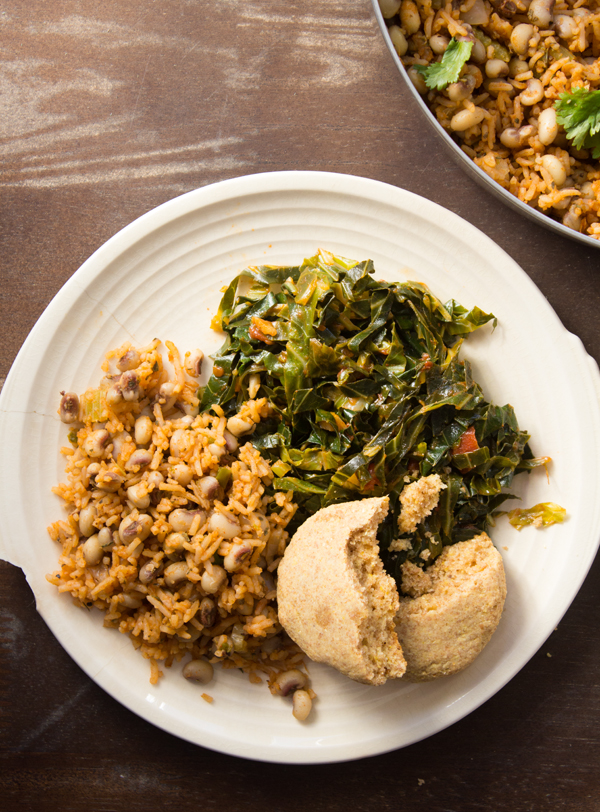
Grits: The Cornerstone of Vegan South
If there’s one dish synonymous with Southern breakfast, it’s grits. Traditionally made with stone-ground corn and simmered in milk or cream, they are the perfect canvas for all sorts of toppings. But how do you achieve that creamy, comforting texture without dairy? It’s easier than you might think. The key is starting with quality grits and using the right technique.
There are two main types of grits: stone-ground and quick-cooking. Stone-ground grits, as the name suggests, are coarsely ground from dried corn kernels and take longer to cook – typically around 30-45 minutes. They have a more robust flavor and a slightly chewy texture. Quick-cooking grits are more processed and cook much faster, but they can sometimes lack flavor and become mushy if overcooked. I generally prefer stone-ground for the best flavor and texture.
Dora’s Table offers a great starting point for a Southern vegan grits recipe. Their approach focuses on slow simmering with vegetable broth and nutritional yeast for a cheesy flavor. I've found that using a combination of vegetable broth and unsweetened plant-based milk (like oat or soy) yields the creamiest results. A generous pinch of salt and a swirl of vegan butter at the end are also essential. Don't be afraid to experiment with different plant-based milks to find your favorite!
A common pitfall is ending up with gritty grits. To avoid this, stir frequently during cooking, especially in the beginning. Using a whisk can help break up any clumps. If your grits are still gritty after the recommended cooking time, simply continue simmering for a bit longer, stirring constantly. Another trick is to rinse the grits under cold water before cooking, though some people believe this washes away some of the flavor. I haven’t found a significant difference either way, so it’s really a matter of personal preference.
- Bring 4 cups of vegetable broth and 1 cup of plant-based milk to a boil.
- Slowly whisk in 1 cup of stone-ground grits.
- Reduce heat to low, cover, and simmer for 25-30 minutes, stirring frequently.
- Stir in 2 tablespoons of nutritional yeast, 1 tablespoon of vegan butter, and salt to taste.
- Serve hot with your favorite toppings.
Beyond Butter & Bacon: Vegan Gravy
Gravy. That luscious, savory sauce that elevates biscuits, grits, and everything in between. Traditionally, Southern gravy is made with rendered bacon fat and milk, so veganizing it requires some creativity. Luckily, there are several delicious options. Mushroom gravy is a popular choice, and for good reason – it delivers that umami-rich flavor that's so essential to Southern cooking.
Blacks Going Vegan has a fantastic recipe for mushroom gravy that utilizes sautéed mushrooms, vegetable broth, and a roux made with flour and vegan butter. The key to a good roux is cooking it slowly and patiently until it reaches a golden-brown color. This develops a nutty flavor that adds depth to the gravy. Another option is to use cauliflower as a base for your gravy. Steamed cauliflower blended with vegetable broth and seasonings creates a surprisingly creamy and flavorful sauce.
You can also create a roux-based gravy using only vegetable broth and seasonings. This works well if you’re looking for a lighter gravy. The consistency is important – you want it to be thick enough to coat the back of a spoon, but not so thick that it’s gloppy. Adjust the amount of flour or cornstarch in your roux to achieve the desired thickness.
I’m not entirely convinced we can perfectly replicate the exact flavor of traditional Southern gravy without animal products. It's a complex flavor profile built on years of tradition. But a well-made vegan gravy can be incredibly satisfying in its own right. It's about embracing the nuances of plant-based flavors and creating something new and delicious.
- Sauté 8 ounces of sliced mushrooms until browned.
- Make a roux with 2 tablespoons of vegan butter and 2 tablespoons of flour.
- Whisk in 2 cups of vegetable broth and bring to a simmer.
- Add the sautéed mushrooms and season with salt, pepper, and a dash of smoked paprika.
- Simmer for 5-10 minutes, or until thickened.
Collard Greens: A Soulful Transformation
Collard greens are a cornerstone of Southern cuisine, often simmered for hours with smoked meats to create a tender, flavorful dish. Obviously, that’s not a vegan approach. The challenge lies in building that same depth of flavor without relying on animal products. Smoked paprika is your best friend here. It provides a smoky flavor that mimics the effect of smoked meats.
Liquid smoke is another useful tool, but use it sparingly – a little goes a long way. Different brands and varieties have different levels of smokiness, so start with a small amount and add more to taste. Using a good quality vegetable broth is also crucial. Look for a broth that’s rich and flavorful, rather than bland and watery. Mushroom broth is an excellent option, as it adds an extra layer of umami.
To tenderize the greens, you need to cook them low and slow. Traditionally, collard greens are simmered for hours. While you don’t necessarily need to cook them for that long, a minimum of 45 minutes to an hour is recommended. Adding a splash of apple cider vinegar or lemon juice can also help break down the tough fibers.
It’s important to acknowledge that vegan collard greens won’t taste exactly like the traditional version. The smoky flavor will be different, and the texture might be slightly less tender. But with the right techniques and seasonings, you can create a dish that’s incredibly satisfying and flavorful in its own right. It’s a soulful transformation, a tribute to tradition with a modern twist.
- Wash and chop 1 bunch of collard greens.
- Sauté 1 chopped onion and 2 cloves of minced garlic in a large pot.
- Add the collard greens, 4 cups of vegetable broth, 1 tablespoon of smoked paprika, and 1 teaspoon of liquid smoke.
- Bring to a boil, then reduce heat and simmer for 45-60 minutes, or until tender.
- Season with salt and pepper to taste.
Fried 'Chicken': Mushroom Magic
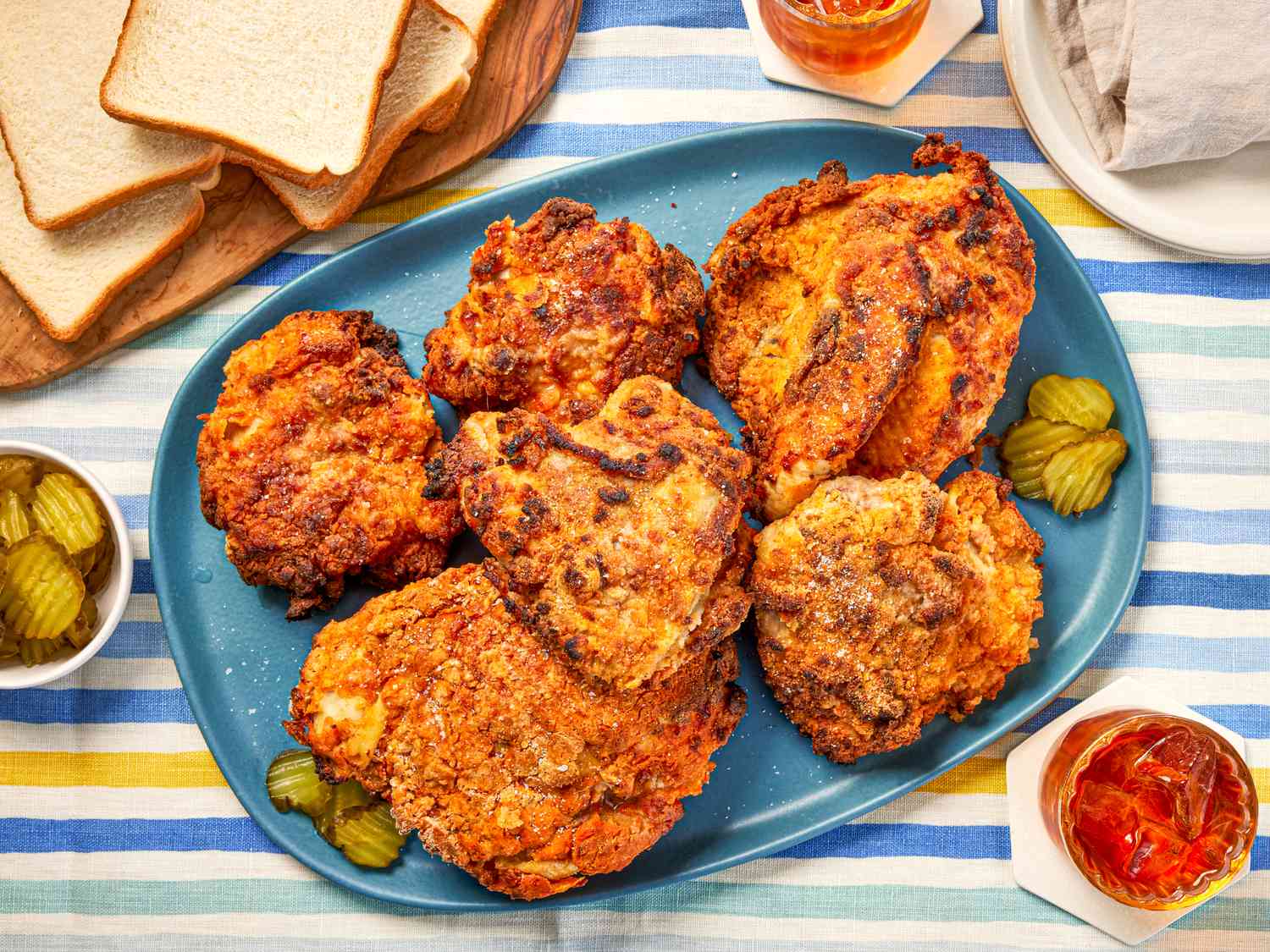
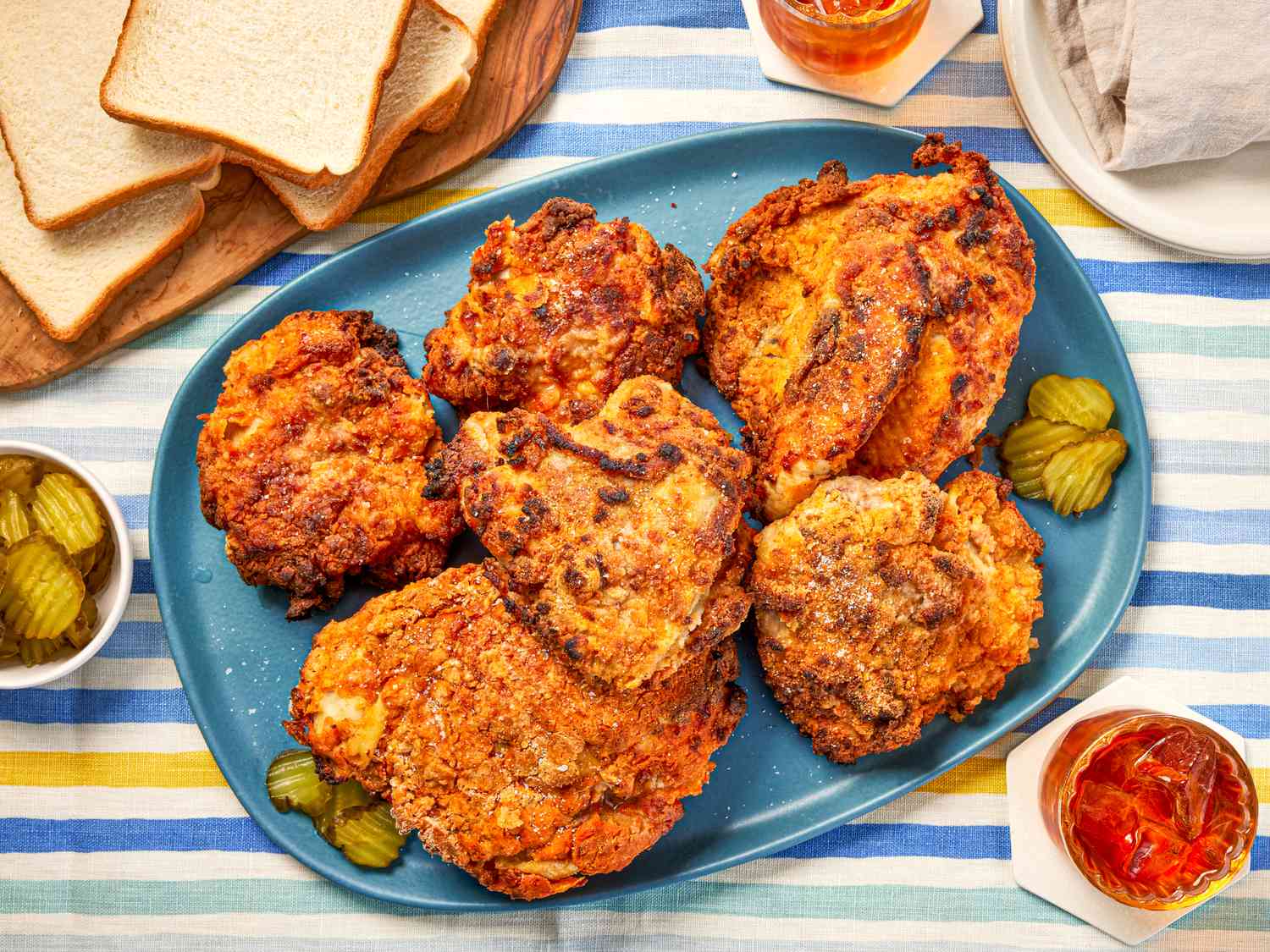
Let's be honest, vegan fried “chicken” is a bit of a controversial topic. Can you truly replicate the flavor and texture of fried chicken without using chicken? Many would say no. But that doesn’t mean you can’t create something incredibly delicious and satisfying. The key is choosing the right base and mastering the breading technique.
Oyster mushrooms and king oyster mushrooms are excellent choices. Their meaty texture and slightly chewy consistency make them a good substitute for chicken. Cut the mushrooms into bite-sized pieces and marinate them in a mixture of plant-based milk, hot sauce, and seasonings for at least 30 minutes. This will help them absorb flavor and stay moist.
The breading is crucial. A mixture of chickpea flour, cornstarch, and spices creates a crispy, flavorful coating. Season generously with salt, pepper, paprika, garlic powder, and onion powder. Dip the marinated mushrooms in the breading mixture, making sure they’re fully coated. You can also add a tablespoon of nutritional yeast for a cheesy flavor.
Now, here’s the big debate: is it even fair to call it “fried chicken” when it’s not chicken? Some people prefer to call it “fried mushrooms” or “Southern-style fried mushrooms” to avoid confusion. I tend to lean towards the latter – it acknowledges the inspiration while being honest about the ingredients. Regardless of what you call it, it’s undeniably delicious.
Sweet Endings: Vegan Southern Desserts
Southern desserts are often incredibly rich and buttery, which can present a challenge for vegan bakers. But with a few clever substitutions, you can recreate those classic flavors without compromising your values. Pecan pie, sweet potato pie, and banana pudding are all within reach.
Plant-based butter alternatives have come a long way in recent years. Look for brands that are specifically designed for baking, as they tend to have a higher fat content and perform more like traditional butter. Flax eggs (made by combining ground flaxseed with water) are a great substitute for chicken eggs in many recipes. Coconut cream can be used to create a rich and creamy filling for pies and puddings.
Naturally sweetening options like maple syrup and dates are also excellent choices. Maple syrup adds a subtle caramel flavor, while dates provide a rich, chewy sweetness. Experiment with different combinations to find what you like best. Many Southern desserts already rely heavily on fruit and spices, which makes the transition to vegan even easier.
I find that veganizing Southern desserts is often the easiest part of plant-based Southern cooking. The core flavors are already there – it’s just a matter of finding the right substitutions to achieve the desired texture and consistency. And honestly, sometimes those substitutions even enhance the flavor.
Sourcing & Community
Finding vegan Southern ingredients can sometimes be a bit of a challenge, depending on where you live. Fortunately, there are a growing number of online stores specializing in vegan products. Many of these stores carry specialty items like vegan butter alternatives, nutritional yeast, and smoked paprika. A quick online search will reveal several options.
Connecting with other plant-based Southern cooks can be incredibly helpful. There are numerous social media groups and online communities dedicated to vegan Southern cuisine. These groups are a great place to share recipes, ask questions, and learn from others. Dora’s Table’s cookbook, Comida Casera, is also an excellent resource for authentic Southern recipes with a vegan twist.
Building a network of like-minded individuals can make the transition to plant-based Southern cooking much easier and more enjoyable. It’s about sharing knowledge, supporting each other, and celebrating the deliciousness of vegan Southern food. It's a community built on a love of flavor and a commitment to a more sustainable lifestyle.
Don’t be afraid to experiment and get creative. Plant-based Southern cooking is a journey, not a destination. Embrace the challenges, celebrate the successes, and most importantly, have fun!
- Dora's Table:
- Blacks Going Vegan:
- Vegan Soul Food:
Vegan Southern Resources
- Black Veg Society - A community and resource hub dedicated to veganism within the Black community, offering recipes, articles, and events with a Southern food focus.
- Southern Vegan Expo - An annual event showcasing vegan Southern cuisine, vendors, and workshops. Check their website for dates and locations.
- Spice Route - A spice shop offering a wide variety of seasonings, including blends perfect for recreating Southern flavors like Cajun and Creole in vegan dishes.
- The Sistah Vegan Project - A website and community founded by A. Breeze Harper, offering recipes, resources, and a critical perspective on veganism and social justice, often featuring Southern-inspired cuisine.
- Happy Herbivore - While not exclusively Southern, Happy Herbivore offers many vegan recipes adaptable to Southern cooking styles and provides a robust online community forum.
- Vegan Soul Kitchen - A Black-owned restaurant based in Baltimore, Maryland, that ships nationwide. They offer vegan versions of traditional soul food dishes.
- Hot Sauce Harry's - A retailer with a large selection of hot sauces, many of which are vegan and can add a kick to your vegan Southern cooking, particularly for dishes like vegan shrimp and grits.
No comments yet. Be the first to share your thoughts!