

Southern roots and plant-based cooking
My grandmother, Mama Etta, could coax flavor out of anything. Her kitchen was the heart of our home, always filled with the aroma of simmering greens, frying okra, and baking biscuits. Growing up, Southern food was comfort, was celebration, was love. It's a heritage I cherish deeply. But I’ve also come to embrace a plant-based lifestyle, driven by a desire for health and sustainability. For a long time, these two worlds felt separate, almost contradictory.
It felt impossible to reconcile the rich, often animal-product-heavy traditions of Southern cuisine with a commitment to veganism. However, I've discovered that isn’t true. It's not about abandoning our culinary past, but about creatively evolving it. It’s about honoring the spirit of Southern cooking—its emphasis on fresh ingredients, bold flavors, and generous hospitality—while making conscious choices that align with our values.
Southern cooking, at its core, is about resourcefulness. Generations of Southerners made do with what they had, transforming simple ingredients into extraordinary meals. This spirit of innovation is exactly what allows us to reimagine classic dishes with a plant-based twist. For centuries, Southern cuisine relied heavily on pork, chicken, and dairy. But the flavors—the smoky depth, the creamy richness, the bright acidity—aren’t inherently tied to those ingredients. They can be achieved through different means.
This article is an exploration of that possibility. We’ll journey through ten beloved Southern dishes, reimagined for the modern, plant-based kitchen. It’s a testament to the fact that you can enjoy the comforting flavors of the South without compromising your beliefs or your health. It’s about showing that Southern food can be both traditional and progressive.
The vegan pantry
Vegan Southern cooking is about finding the right swaps. I usually reach for Miyoko’s Cultured Vegan Butter because it melts and tastes like the real thing. If I'm on a budget, coconut oil is my go-to for baking.
Buttermilk is another Southern staple, prized for its tang and ability to tenderize. Fortunately, creating a vegan buttermilk substitute is simple: just combine one tablespoon of apple cider vinegar or lemon juice with one cup of plant-based milk (soy, almond, or oat all work well). Let it sit for five to ten minutes to curdle. This creates a similar acidity that’s perfect for biscuits, cakes, and marinades. Achieving that signature smoky flavor, so prevalent in Southern barbecue and collard greens, requires a bit more finesse.
Smoked paprika is your best friend here. It provides a subtle smokiness that can elevate any dish. Liquid smoke, used sparingly, can also add depth. For heartier dishes, consider using smoked tofu or tempeh to replicate the texture and flavor of smoked meats. Jackfruit, with its surprisingly meaty texture, is a game-changer for pulled 'pork' or 'chicken' sandwiches. And heart of palm, when shredded, can convincingly mimic crabmeat in dishes like 'crab' cakes.
Cashew cream is a versatile ingredient that can replace heavy cream in sauces, soups, and desserts. Simply soak one cup of raw cashews in hot water for at least 30 minutes, then drain and blend with fresh water until smooth and creamy. Nutritional yeast, often called 'nooch', provides a cheesy flavor that's essential for vegan mac and 'cheese' and other creamy sauces. These swaps aren't always one-to-one; there are often trade-offs in texture or flavor. But with a little experimentation, you can create plant-based versions that are just as satisfying as the originals.
- Vegan Butter: Miyoko's Kitchen, Earth Balance
- Buttermilk Substitute: 1 tbsp apple cider vinegar/lemon juice + 1 cup plant-based milk
- Smoky Flavor: Smoked paprika, liquid smoke, smoked tofu/tempeh
- Meaty Texture: Jackfruit, heart of palm
- Creamy Sauce: Cashew cream, nutritional yeast
Traditional vs. Vegan Southern Cooking: Ingredient Substitutions
| Traditional Ingredient | Vegan Substitute | Flavor Profile Notes | Texture Notes |
|---|---|---|---|
| Butter | Vegan Butter (plant-based oils blend) | Vegan butters often aim to replicate the rich, slightly salty flavor of dairy butter. Some brands include added flavors for baking. | Texture varies by brand; some closely mimic dairy butter's firmness and spreadability, while others are softer. |
| Milk | Unsweetened Plant-Based Milk (Soy, Almond, Oat) | Flavor profiles differ significantly. Oat milk is often favored for its neutral taste and creaminess, while almond milk has a nuttier flavor. Soy milk provides a protein boost. | Oat milk tends to be the creamiest, most similar to whole milk. Almond milk is thinner. Soy milk offers a middle ground. |
| Cream | Full-Fat Coconut Milk or Cashew Cream | Coconut milk imparts a subtle coconut flavor, best suited for dishes where that complements the profile. Cashew cream is more neutral. | Coconut milk provides richness but can be thinner. Cashew cream, when blended, becomes very thick and smooth, closely resembling heavy cream. |
| Eggs | Flaxseed Meal 'Eggs' (1 tbsp flaxseed meal + 3 tbsp water) | Flaxseed 'eggs' contribute a slightly nutty flavor. They are best used in baked goods where a binding agent is needed, not for applications requiring egg flavor. | Provides binding but doesn't replicate the fluffiness of eggs. Best for denser baked goods. |
| Bacon | Smoked Paprika & Maple-Glazed Tempeh or Shiitake Mushrooms | Smoked paprika provides a smoky flavor, and maple syrup adds a touch of sweetness, attempting to mimic the sweet-savory profile of bacon. | Tempeh offers a chewy texture. Shiitake mushrooms become crispy when cooked, offering a different but satisfying texture. |
| Sausage | Plant-Based Sausage Crumbles (Soy or Pea Protein Based) | Vegan sausages are seasoned to mimic the savory, often spicy, flavor of pork sausage. Flavor varies greatly by brand. | Texture ranges from crumbly to fairly firm, depending on the protein base and manufacturing process. |
| Chicken | Oyster Mushrooms or Jackfruit | Oyster mushrooms have a delicate, slightly seafood-like flavor that can be seasoned to resemble chicken. Jackfruit, when young and green, has a neutral flavor and takes on seasonings well. | Oyster mushrooms have a tender, slightly chewy texture. Jackfruit, when shredded, mimics the texture of pulled chicken. |
| Honey | Maple Syrup or Agave Nectar | Maple syrup offers a distinct maple flavor, while agave nectar is more neutral in taste. Both provide sweetness. | Maple syrup is slightly thicker than honey. Agave nectar is thinner and more pourable. |
Illustrative comparison based on the article research brief. Verify current pricing, limits, and product details in the official docs before relying on it.
Ten vegan Southern classics
Let’s get to the good stuff: reimagining those beloved Southern dishes. We'll be linking to full recipes on the Grits N Grace website, so you can dive deeper into each one. These aren't just about removing meat; they're about building layers of flavor to create dishes that stand on their own.
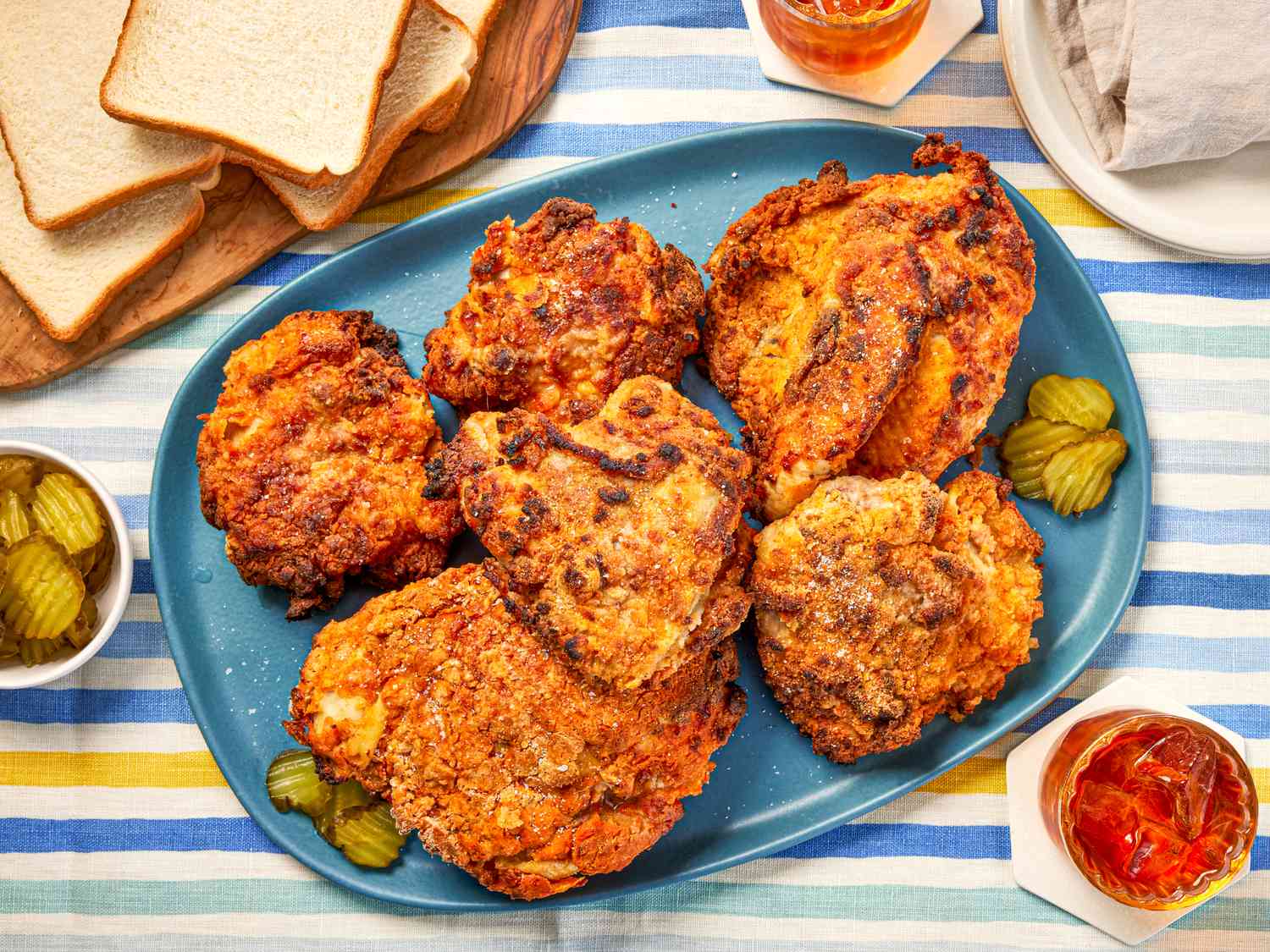
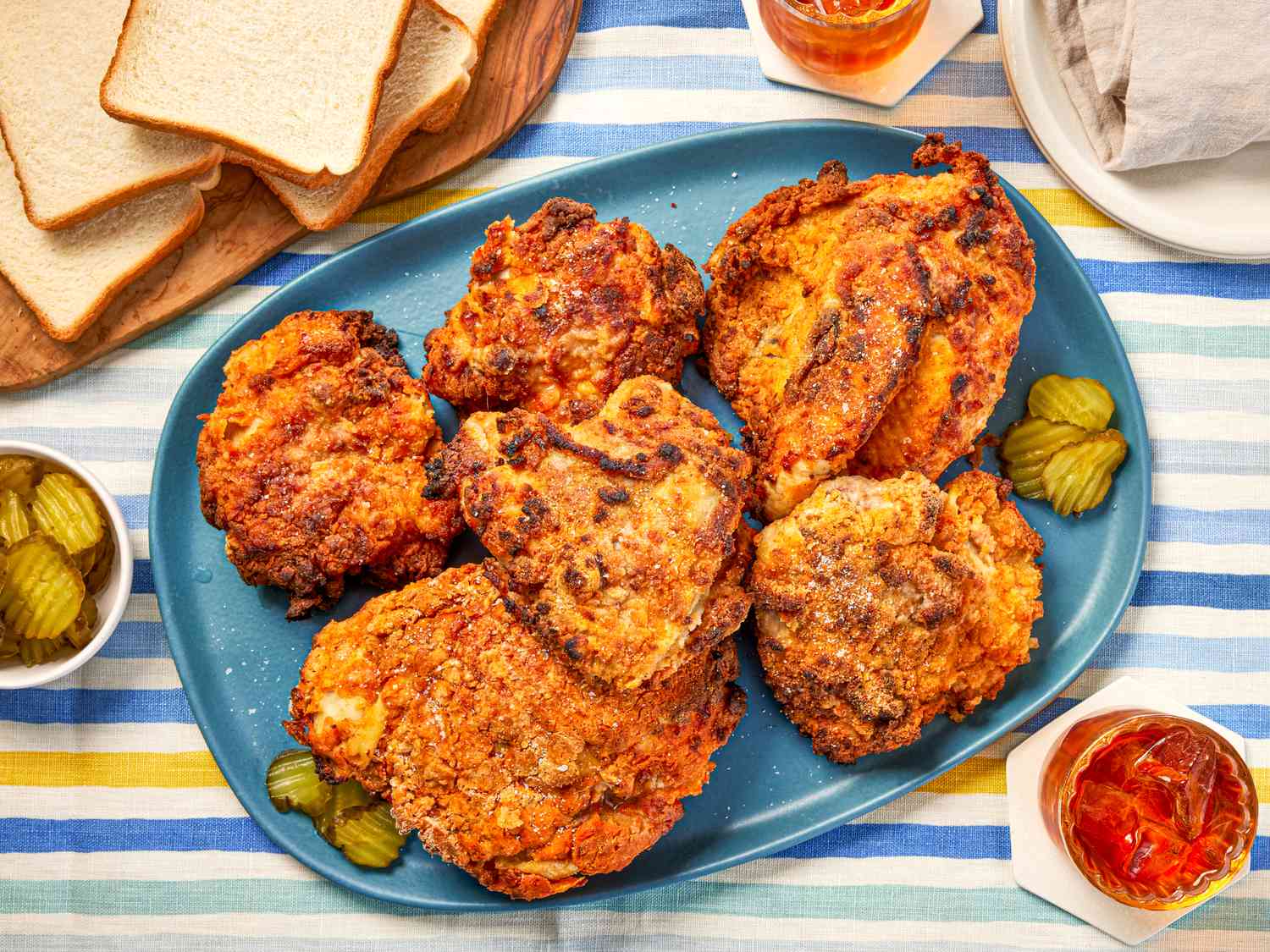
Vegan Fried 'Chicken': Fried chicken is practically synonymous with Southern cooking. Our vegan version uses marinated and breaded oyster mushrooms or king oyster mushrooms to achieve a remarkably similar texture. The key is a flavorful brine and a crispy coating made with seasoned flour and plant-based buttermilk. [Link to recipe]
Vegan Mac and 'Cheese': This comfort food classic gets a plant-based makeover with a creamy sauce made from cashew cream, nutritional yeast, and a blend of spices. We use elbow macaroni, but feel free to experiment with other pasta shapes. [Link to recipe]
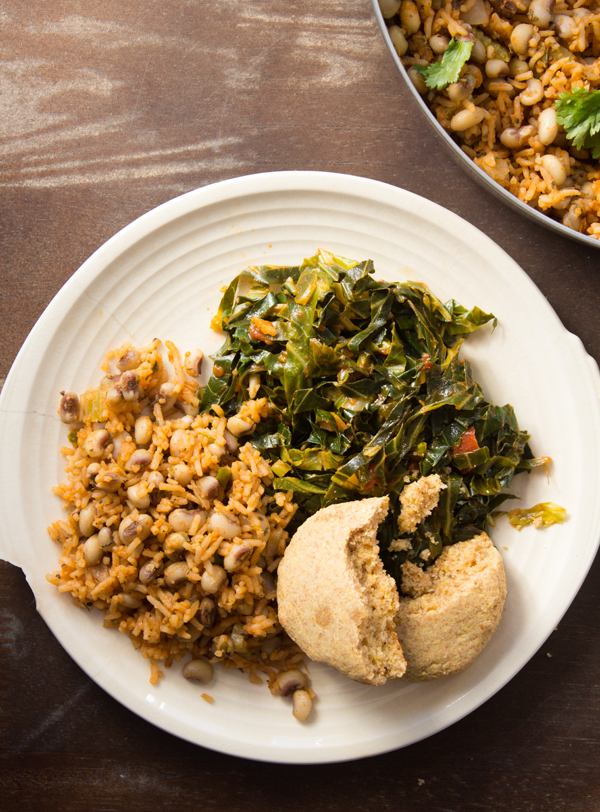
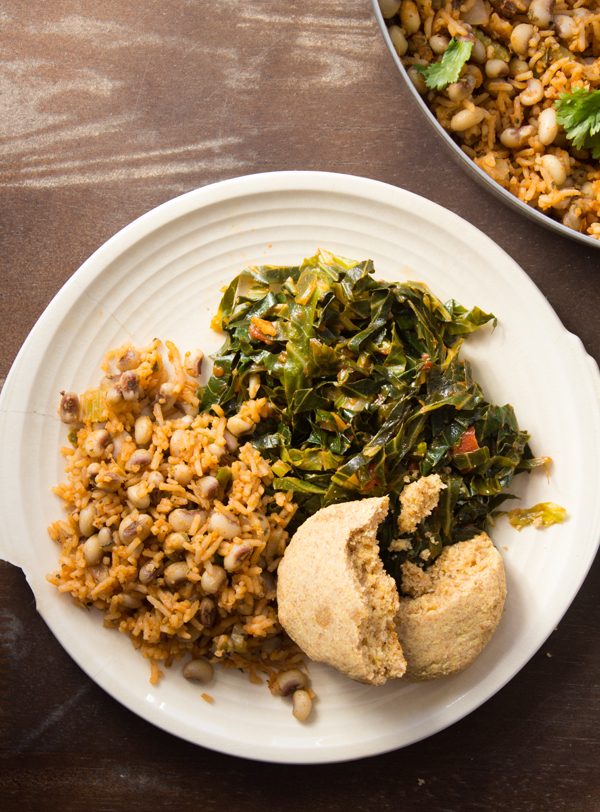
Vegan Collard Greens: Traditionally cooked with smoked ham hocks, our vegan collard greens get their smoky flavor from smoked paprika and a long, slow simmer. We also add a splash of apple cider vinegar for tang. [Link to recipe]
Vegan Shrimp and Grits: This Lowcountry staple is surprisingly easy to veganize. We use heart of palm, expertly seasoned, to mimic the texture of shrimp, served over creamy, stone-ground grits. A flavorful sauce ties it all together. [Link to recipe]
Vegan Black-Eyed Peas: Often served on New Year’s Day for good luck, these peas are naturally vegan! We simply enhance their flavor with smoked paprika, garlic, and a touch of cayenne pepper. [Link to recipe]
Vegan Peach Cobbler: A warm, comforting dessert featuring juicy peaches and a buttery, flaky crust—made with vegan butter, of course. A sprinkle of cinnamon adds a touch of warmth. [Link to recipe]
Vegan Biscuits: Achieving flaky, tender vegan biscuits can be tricky, but it’s possible! The key is using cold vegan butter and handling the dough gently. A vegan buttermilk substitute helps create a tender crumb. [Link to recipe]
Vegan Gumbo: This hearty stew, originating from Louisiana, is packed with flavor. We use okra, tomatoes, bell peppers, and a blend of Creole spices, along with plant-based sausage or jackfruit for a meaty texture. [Link to recipe]
Vegan Sweet Potato Pie: A Southern classic, reimagined with a creamy sweet potato filling and a flaky vegan pie crust. A sprinkle of cinnamon and nutmeg adds warmth and spice. [Link to recipe]
Vegan Jambalaya: This rice dish, inspired by Spanish paella, is bursting with flavor. We use a combination of vegetables, plant-based sausage, and Creole spices to create a satisfying and flavorful meal. [Link to recipe]
Southern hospitality
Southern hospitality is about making everyone feel welcome, regardless of their dietary choices. Adapting traditional potlucks and gatherings to be vegan-friendly requires a little planning and communication. Don’t be afraid to ask guests about their preferences and allergies. Offering a clearly labeled vegan dish is a great start, but consider having several plant-based options available.
Communicating your choices to family and friends can sometimes be challenging. Be patient and understanding. Explain your reasons for eating plant-based in a non-judgmental way. Sharing delicious vegan Southern food is often the best way to win people over. I remember one Thanksgiving, my aunt was skeptical about my vegan pecan pie. One bite, and she was a convert!
Creating a welcoming atmosphere is key. Make sure your guests feel comfortable and included. Offer to share recipes and cooking tips. And remember, Southern hospitality is about more than just food; it’s about connection and kindness. It’s about creating memories around the table, regardless of what’s on the plates.
Vegan Southern cooking can be incredibly inclusive and celebratory. It’s an opportunity to share your values with loved ones and demonstrate that delicious, satisfying food can be both ethical and sustainable. It's a way to honor tradition while embracing a more compassionate way of eating.
- Ask guests about their dietary preferences.
- Offer clearly labeled vegan dishes.
- Be patient and understanding when explaining your choices.
- Share recipes and cooking tips.
- Create a welcoming and inclusive atmosphere.
Building Southern flavors
Southern cuisine is defined by a handful of key flavor profiles: smoky, sweet, tangy, and spicy. Recreating these profiles with plant-based ingredients requires understanding how to build layers of flavor. Smoky flavors, as we’ve discussed, come from smoked paprika, liquid smoke, and smoked tofu or tempeh. Sweetness is often achieved with molasses, brown sugar, or maple syrup.
Tanginess is crucial for balancing the richness of many Southern dishes. Apple cider vinegar, lemon juice, and pickled vegetables all contribute to this flavor profile. And spice comes from cayenne pepper, Creole seasoning, and hot sauce. Don't be afraid to experiment with different combinations of spices to find what you like best. A good rule of thumb is to start with a small amount and add more to taste.
Slow cooking and braising are essential techniques for developing deep, complex flavors. These methods allow ingredients to meld together and create a rich, savory sauce. Using a Dutch oven is ideal for braising, but a heavy-bottomed pot will also work. Don't rush the process; the longer the dish simmers, the more flavorful it will become.
Understanding these principles will empower you to adapt other recipes to be plant-based. It’s not just about following a recipe; it’s about understanding why certain ingredients and techniques work. With a little knowledge and creativity, you can recreate the soul of Southern cooking with plant-based ingredients.
Resources for the Vegan Southern Cook
If you're looking to delve deeper into the world of vegan Southern cooking, there are plenty of resources available. 'Vegan Soul Kitchen' by Afya Ellas is a fantastic cookbook, offering a wide range of flavorful and authentic recipes. The blog Black Veg Society (blackvegsociety.com) features a collection of vegan recipes, including many Southern-inspired dishes.
For online resources, check out the Vegan Richa website (veganricha.com) and the YouTube channel Sweet Potato Soul. These platforms offer a wealth of information and inspiration. Online stores like Thrive Market and Vegan Essentials carry a wide variety of specialty vegan ingredients, making it easy to stock your pantry. This is just a starting point, of course, but it’s a great place to begin your journey.
No comments yet. Be the first to share your thoughts!