

Meemaw's Legacy, Plant-Based
Growing up in the South, the kitchen was the heart of everything. My Meemaw, like so many Southern grandmothers, poured her love into every pot of greens, every biscuit, every simmering pot of stew. That food wasn't just nourishment; it was history, tradition, and a tangible expression of family. It’s a legacy many of us cherish, and one that feels…complicated when you embrace a plant-based lifestyle.
For years, I thought giving up Southern cooking was part of the deal. The reliance on lard, butter, and animal broths seemed insurmountable. But I quickly realized that the spirit of Southern food – the warmth, the comfort, the generosity – wasn’t tied to those ingredients. It was about technique, flavor profiles, and a willingness to feed people well. And that, thankfully, could be translated.
There’s a growing number of us seeking ways to honor those traditions while aligning with a more compassionate and sustainable way of eating. Vegan Southern cooking isn't about deprivation; it’s about innovation. It’s about proving that you can have a soul-satisfying plate of collard greens without compromising your values. It’s about showing Meemaw – and ourselves – that tradition can evolve.
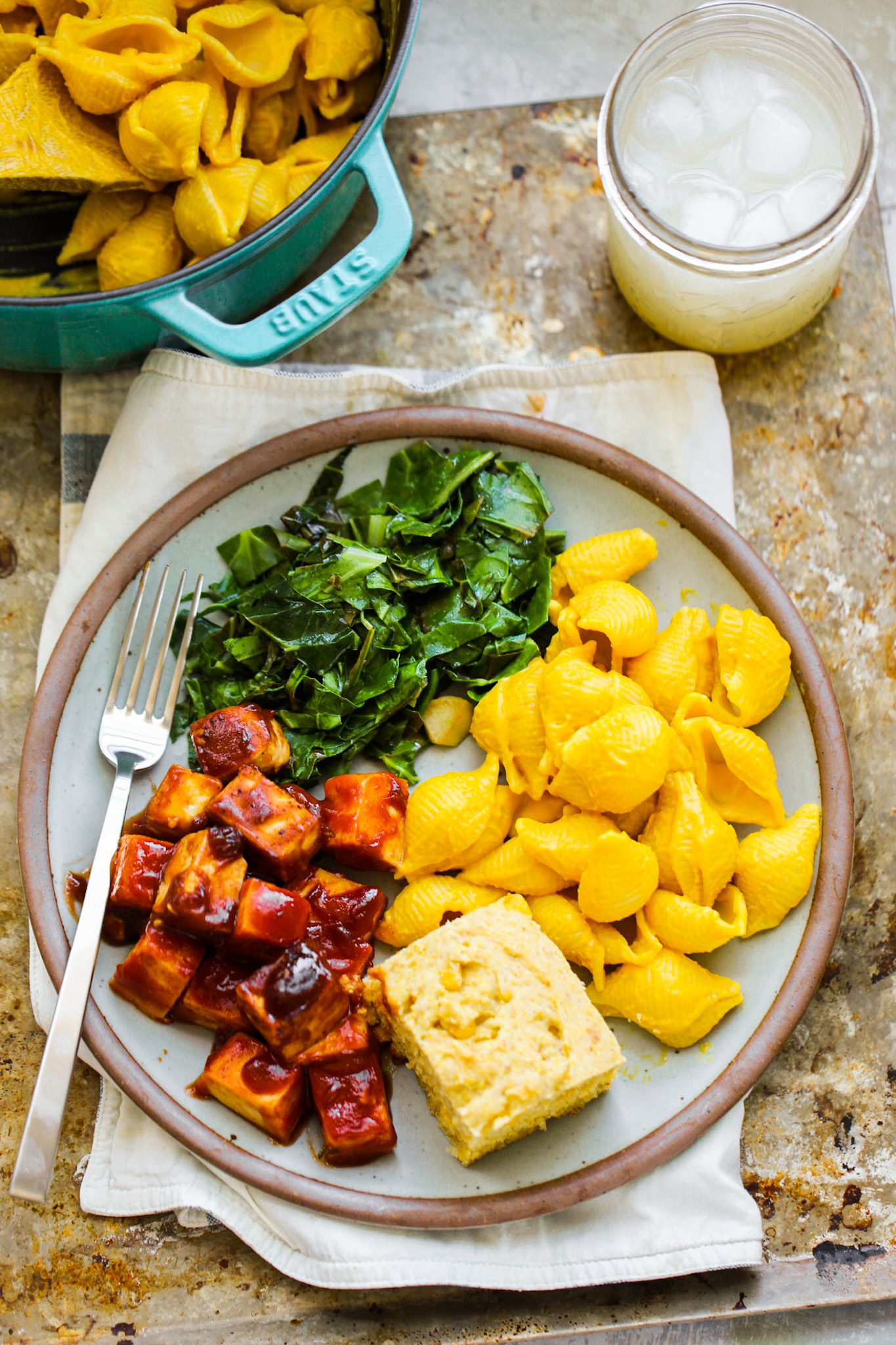
The Vegan Pantry: Southern Staples
The key to successful vegan Southern cooking lies in understanding your substitutions. It’s more than just swapping ingredients; it’s about understanding why those ingredients are used and finding plant-based alternatives that mimic their function. Take buttermilk, for example. It’s not just about the flavor; it's the acidity that tenderizes and activates baking soda. You can easily recreate that with plant-based milk mixed with apple cider vinegar or lemon juice.
Lard, historically used for frying and in biscuits, requires a bit more thought. Vegan butter blends – Miyoko’s Kitchen Cultured Vegan Butter is a favorite – work beautifully in biscuits and many other applications. For frying, coconut oil, canola oil, or even avocado oil offer high smoke points and neutral flavors. And don’t underestimate the power of a good vegetable shortening!
Chicken broth is often the base for many Southern dishes. Instead, use a high-quality vegetable broth or, even better, make your own! Mushroom broth adds a depth of umami that can really mimic the savory flavor of chicken broth. Jackfruit, when seasoned correctly, is a remarkable substitute for pulled pork or chicken. And for that smoky flavor, liquid smoke is your friend – use it sparingly, it's potent.
Finding these ingredients is easier than ever. Specialty health food stores are a great resource, but many mainstream grocery stores are expanding their vegan offerings. Online retailers like Thrive Market and Vegan Essentials are also excellent options. Don’t be afraid to experiment and even make your own vegan staples—cashew cream, for example, is incredibly versatile and easy to make.
12 Dishes, Reimagined
Here are twelve classic Southern dishes, given a plant-based makeover. These aren't pale imitations; they're flavorful, satisfying meals that will appeal to vegans and meat-eaters alike.
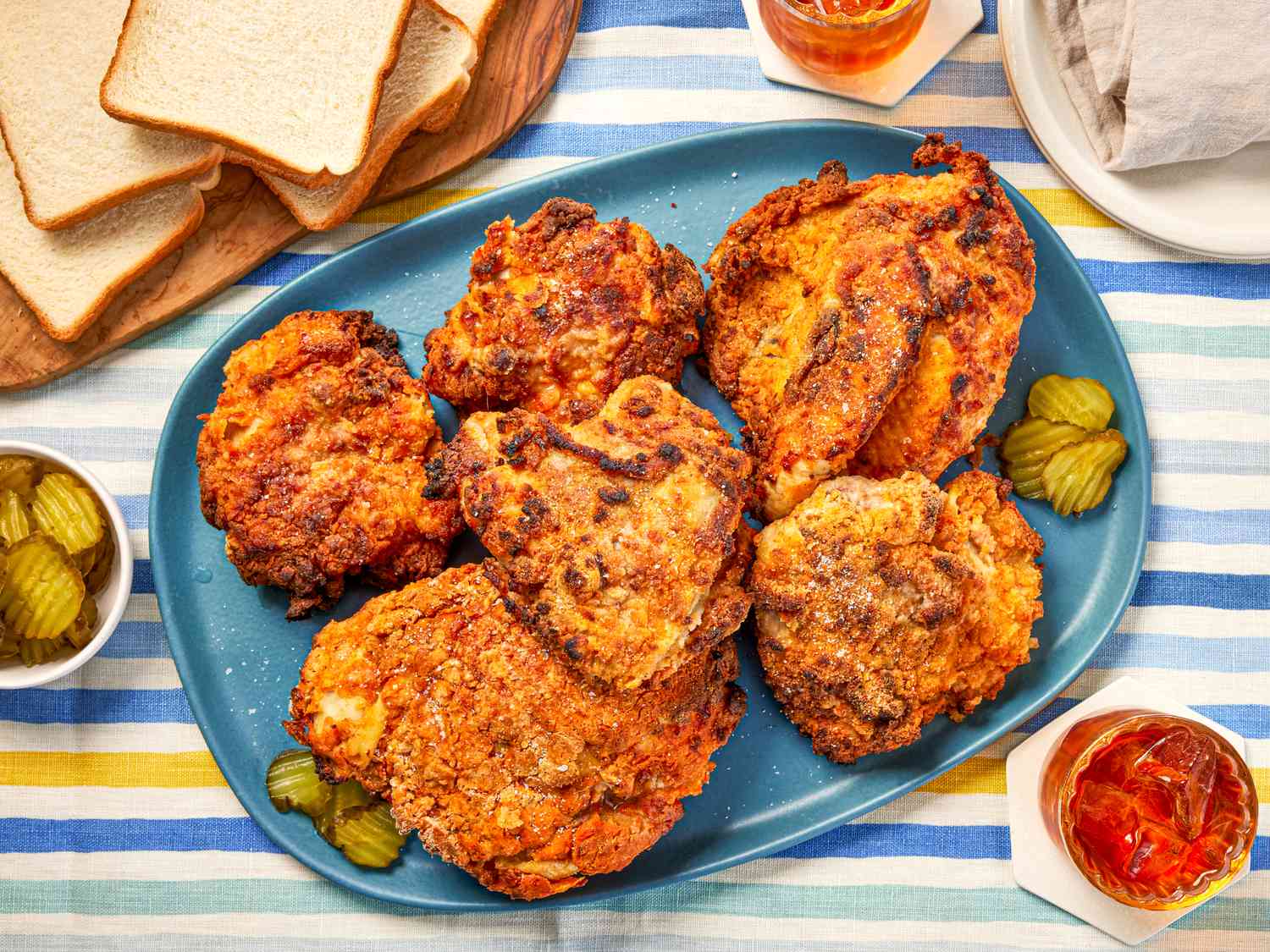
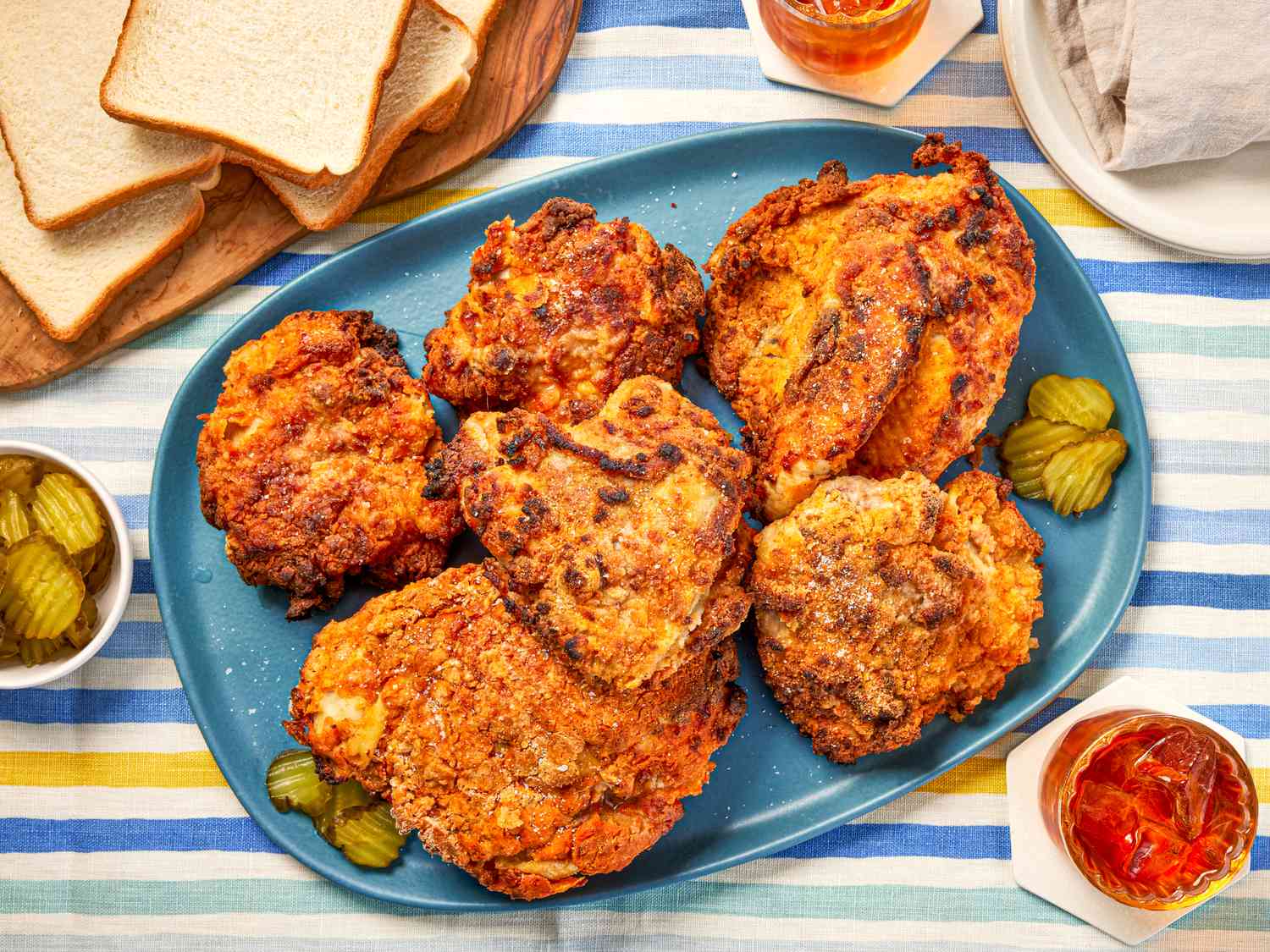
Vegan Fried 'Chicken': The original is a crispy, golden delight. We achieve this with oyster mushrooms or seitan, marinated in seasoned plant-based milk and coated in a seasoned flour mixture. It's shockingly similar to the real thing. Recipe:
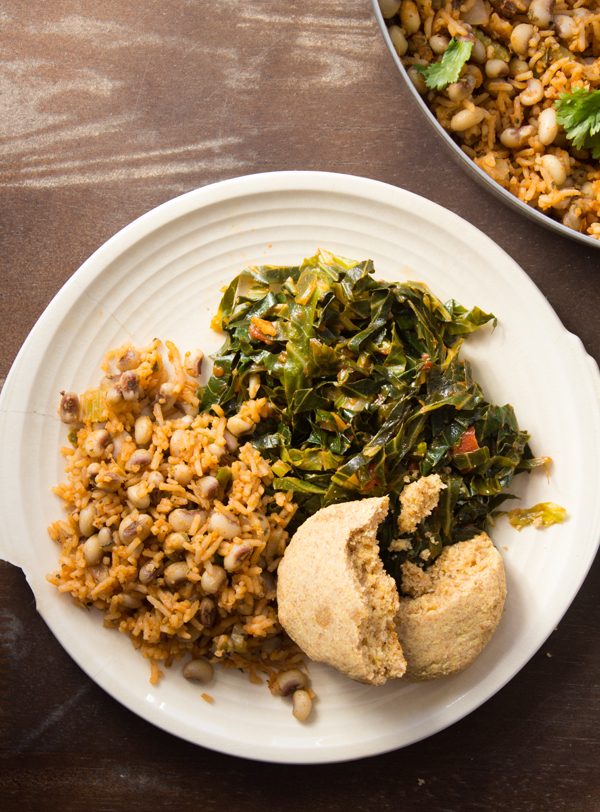
Collard Greens with Smoked Paprika: Traditionally slow-cooked with smoked ham hocks, these greens get their smoky flavor from smoked paprika and a touch of liquid smoke. The key is a long, slow simmer to tenderize the greens. Recipe:
Vegan Mac and 'Cheese': A creamy, cheesy classic made with a cashew-based sauce, nutritional yeast, and a blend of spices. It's surprisingly decadent and satisfying. Recipe:
Vegan Biscuits: Flaky, buttery biscuits made with plant-based butter and plant-based milk. A little bit of patience and a light touch are key to achieving that perfect texture. Recipe:
Vegan Peach Cobbler: Sweet, juicy peaches baked under a golden, crumbly topping made with plant-based butter and flour. It's the perfect summer dessert. Recipe:
Vegan Shrimp and Grits: Hearts of palm, seasoned with Old Bay seasoning, stand in for shrimp in this creamy, comforting dish. The grits are made with plant-based milk and nutritional yeast. Recipe:
Vegan Black-Eyed Peas: Traditionally cooked with smoked ham hocks, these peas get their flavor from smoked paprika, vegetable broth, and a touch of molasses. Recipe:
Vegan Sweet Potato Pie: A classic Southern dessert made with a creamy sweet potato filling and a flaky pie crust. Recipe:
Vegan Gumbo: A hearty stew packed with vegetables, okra, and a rich, flavorful broth. Recipe:
Vegan Jambalaya: A flavorful rice dish with vegetables, beans, and spices. Recipe:
Vegan Okra Stew: Tender okra simmered in a flavorful tomato-based broth with onions, peppers, and spices. Recipe:
Vegan Banana Pudding: Layers of vanilla wafers, sliced bananas, and a creamy vegan pudding. Recipe:
Grits Gets a Glow-Up
No conversation about Southern food is complete without mentioning grits. This humble cornmeal porridge is a staple for a reason – it's comforting, versatile, and incredibly flavorful. But making creamy, flavorful vegan grits requires a little know-how.
There are different types of grits, and they behave differently. Stone-ground grits take longer to cook but have a more robust flavor and texture. Quick-cooking grits are more convenient but can be a bit mushy if overcooked. Regardless of the type you choose, the key is to cook them low and slow, stirring frequently.
To achieve that creamy texture without dairy, use plant-based milk like oat milk or cashew milk. Nutritional yeast adds a cheesy flavor, and a generous pinch of salt is essential. Dora’s Table () offers a fantastic base recipe, and Vegetarian South () provides excellent tips for seasoning and serving. Don't be afraid to experiment with different toppings – sautéed mushrooms, roasted vegetables, or a sprinkle of vegan cheese all work well.
Beyond the Plate: Southern Hospitality
Southern culture is about more than just the food – it's about the gathering, the conversation, the warmth of hospitality. When serving vegan Southern food to non-vegan guests, presentation is key. Make the food look appealing and inviting. Don’t label everything as “vegan”; simply present it as delicious Southern cooking.
Be prepared to answer questions, but avoid being defensive. Focus on the flavors and textures of the food, and let it speak for itself. A little bit of storytelling can go a long way – sharing the history of the dish and your journey to plant-based eating can help bridge any skepticism.
Ultimately, sharing good food is a way to connect with others. Creating a welcoming atmosphere and focusing on the joy of the meal will make everyone feel comfortable and appreciated. Remember, Meemaw’s legacy wasn't just about the recipes; it was about the love that went into them.
Troubleshooting Vegan Southern Cooking
Veganizing Southern recipes can come with its challenges. Achieving the right texture is often the biggest hurdle. For example, getting that flaky biscuit texture can be tricky without lard. Using very cold plant-based butter and handling the dough as little as possible is crucial.
Flavor can also be a concern. Southern food is known for its bold flavors, so don't be afraid to season generously. Liquid smoke, smoked paprika, and nutritional yeast are your allies. Sometimes, a little extra acid – a splash of vinegar or lemon juice – can brighten up a dish.
Dryness is another common issue, particularly with baked goods. Using applesauce or mashed banana can add moisture. I'm still experimenting with getting the perfect 'fried' texture without animal fats, but a good breading and a hot oil temperature seem to be the keys. Don't be discouraged by setbacks—learning to cook plant-based Southern food is a journey.
Standout Swaps: Flavor Boosters
undefined flavor that's essential for replicating dishes traditionally made with smoked meats. A little goes a long way, so start with a few drops and add more to taste.
Black salt (kala namak) is another secret weapon. This volcanic salt has a sulfurous aroma that mimics the flavor of eggs. It's perfect for vegan egg salad, tofu scrambles, and even adding a subtle eggy flavor to vegan biscuits. It's truly remarkable.
Finally, smoked paprika is a must-have. It adds a smoky, slightly sweet flavor that enhances everything from collard greens to black-eyed peas. It's a versatile spice that will quickly become a staple in your vegan Southern pantry. These aren't just substitutions; they're flavor enhancers that elevate your cooking.
No comments yet. Be the first to share your thoughts!