

Set the welcome tone
Southern hospitality is not a performance; it is a deliberate practice of warmth and generosity. It moves beyond the television stereotype to become a practical framework for how you treat people in your own home. The goal is simple: make every guest feel seen, valued, and comfortable from the moment they arrive.
Start at the threshold. A clean, well-lit entryway signals that you have prepared for their arrival. Keep a dedicated space for coats and bags so guests do not have to ask where to put their things. This small act removes friction and immediately lowers their guard.
Greet with presence
The first thirty seconds set the rhythm for the entire visit. Put down your phone and make eye contact. Use the guest’s name if you know it. A genuine smile and a warm greeting communicate that their presence is the priority, not your schedule or your household chores.
Create a comfort anchor
Offer a drink or a snack before they sit down. This is not about lavish hosting; it is about providing a physical anchor for their comfort. A glass of water, a cup of coffee, or a simple plate of cookies gives them something to do with their hands and signals that they are cared for.

Arrange seating for conversation
Southern hospitality isn't just about what you serve; it's about how you gather. The goal is to create a space where guests naturally turn toward one another, fostering easy conversation rather than letting them stare at a television or a blank wall. Think of your living room as a stage set for connection, where every piece of furniture has a role in keeping the dialogue flowing.
Clear the center
Start by pushing large furniture pieces, like sofas and armchairs, away from the walls. In many homes, the default setting is to line everything up against the perimeter, which creates a wide, empty void in the middle. This layout encourages people to face the room rather than each other. Pulling furniture into the center creates a defined conversation pit, signaling to guests that this is a shared zone for interaction.
Create a U-shape or circle
Arrange your seating so that everyone can see everyone else’s face. A U-shape arrangement with a sofa on one side and chairs on the other works well for larger groups. For smaller spaces, a circle of armchairs is ideal. Avoid placing chairs at awkward angles where guests have to crane their necks to make eye contact. If you have a coffee table, ensure it is close enough to reach but far enough away not to impede movement.
Remove visual barriers
Check for obstacles that break the line of sight. Large floor lamps, tall plants, or bulky side tables can create visual walls that make guests feel disconnected. Keep the sightlines clear between seating areas. If you need lighting, opt for table lamps or floor lamps with shades that direct light downward rather than outward, keeping the visual field open. This subtle adjustment helps maintain the intimate, welcoming atmosphere central to Southern hospitality.
Serve comfort food with grace
Traditional Southern dishes can feel heavy or informal if not handled carefully. The goal is to make guests feel welcome without overwhelming them with portion sizes or complicated plating. You can keep the soul of the meal while adjusting the presentation for modern entertaining.

Start with dishes that are familiar but easy to eat. Fried chicken, mac and cheese, and collard greens are staples, but they can be intimidating in large quantities. Opt for smaller, bite-sized versions or buffet-style serving platters. This allows guests to sample multiple flavors without committing to a heavy plate.
Southern cuisine is known for its richness. Counterbalance heavy proteins and starches with bright, acidic elements. A simple vinegar-based coleslaw, pickled okra, or a lemon vinaigrette on greens cuts through the fat. These sides act as palate cleansers, keeping the meal feeling light and engaging rather than sluggish.
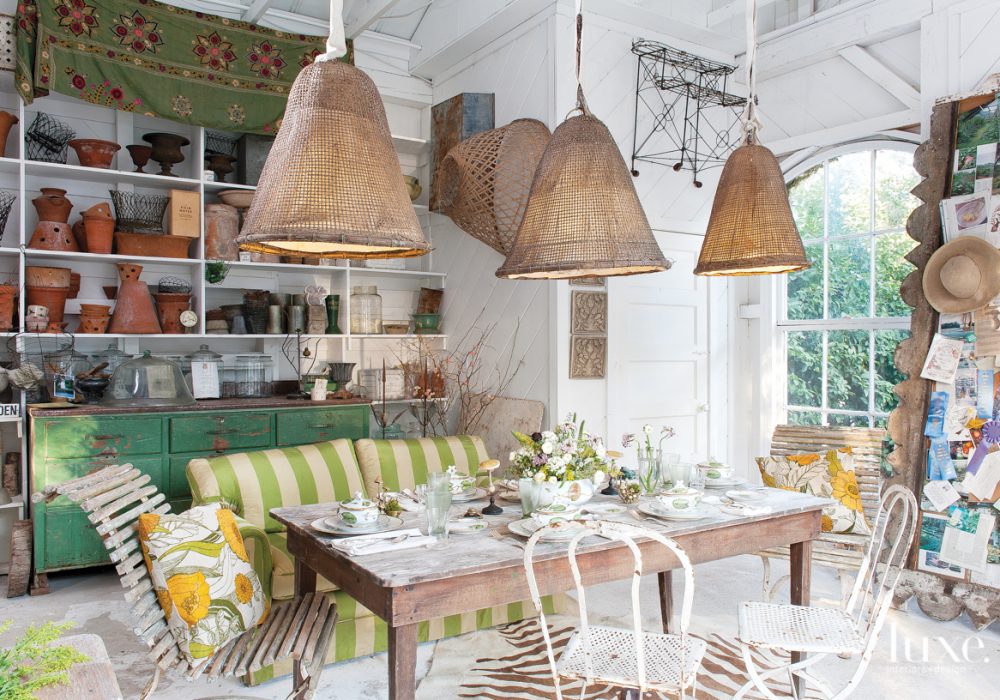
The way you present food changes how it is perceived. Avoid overly ornate or cluttered plating. Use clean, white ceramic platters or clear glass bowls to let the colors of the food stand out. This approach feels more modern and intentional. It also makes it easier for guests to see what is available, reducing waste and encouraging variety.
Grace under pressure comes from preparation. Most Southern dishes actually improve in flavor after sitting for a day. Prepare the mac and cheese, casseroles, and desserts the day before. This frees you up to focus on hospitality during the event rather than standing in the kitchen. Finish hot dishes just before serving to maintain texture and temperature.
Balance grits and grace decor
Southern hospitality starts with how your home feels the moment guests walk in. The trick is blending rustic, traditional Southern elements with clean, modern lines. This mix keeps the space warm and welcoming without feeling dated or cluttered. Think of it as serving grits with a refined garnish: the base is hearty and familiar, but the finish is polished.
Start by choosing a neutral backdrop. Paint walls in soft whites, warm beiges, or light grays to create a calm canvas. This allows bolder Southern touches to stand out without overwhelming the senses. Avoid heavy, dark wood paneling or overly ornate moldings that can make a room feel closed off.
Next, introduce texture through natural materials. A woven jute rug, linen curtains, or a wooden coffee table adds that essential Southern charm. These items bring warmth and history to the space. Pair them with sleek, modern furniture pieces to maintain balance. A mid-century modern sofa in a solid color works well against a rustic wooden sideboard.
Finally, curate your accessories carefully. Limit decorative items to a few meaningful pieces rather than filling every surface. A vintage Southern map, a simple ceramic vase, or a framed black-and-white photograph can add character. The goal is to create an environment that feels lived-in and authentic, not like a museum display. This approach ensures your home remains inviting for years to come.
Avoid common hosting mistakes
The biggest mistake hosts make is treating Southern hospitality like a performance. It is easy to slip into rigid formality or over-preparation when you want everything to be perfect. But strict timelines and flawless execution often stifle the genuine warmth that makes guests feel welcome.
Note: Don't let perfectionism kill the vibe. Southern hospitality is about connection, not flawless execution.
Focus on presence over presentation. A slightly messy table with warm conversation is always better than a sterile room with no soul. If you are stressed about the details, your guests will feel it. Let go of the need for control and trust that your kindness is enough.
Keep it casual and comfortable
Avoid setting up formal place settings or strict seating charts unless you are hosting a very specific event. Instead, create a relaxed atmosphere where people can mingle freely. Use comfortable seating and keep the lighting warm. The goal is to make everyone feel like they belong, not like they are attending a formal gala.
Don't over-schedule the evening
Having a rigid timeline for food and activities can make the evening feel rushed. Instead, let the conversation flow naturally. If dinner takes longer than planned, so be it. The best memories come from lingering over coffee and stories, not from hitting the clock.
No comments yet. Be the first to share your thoughts!