
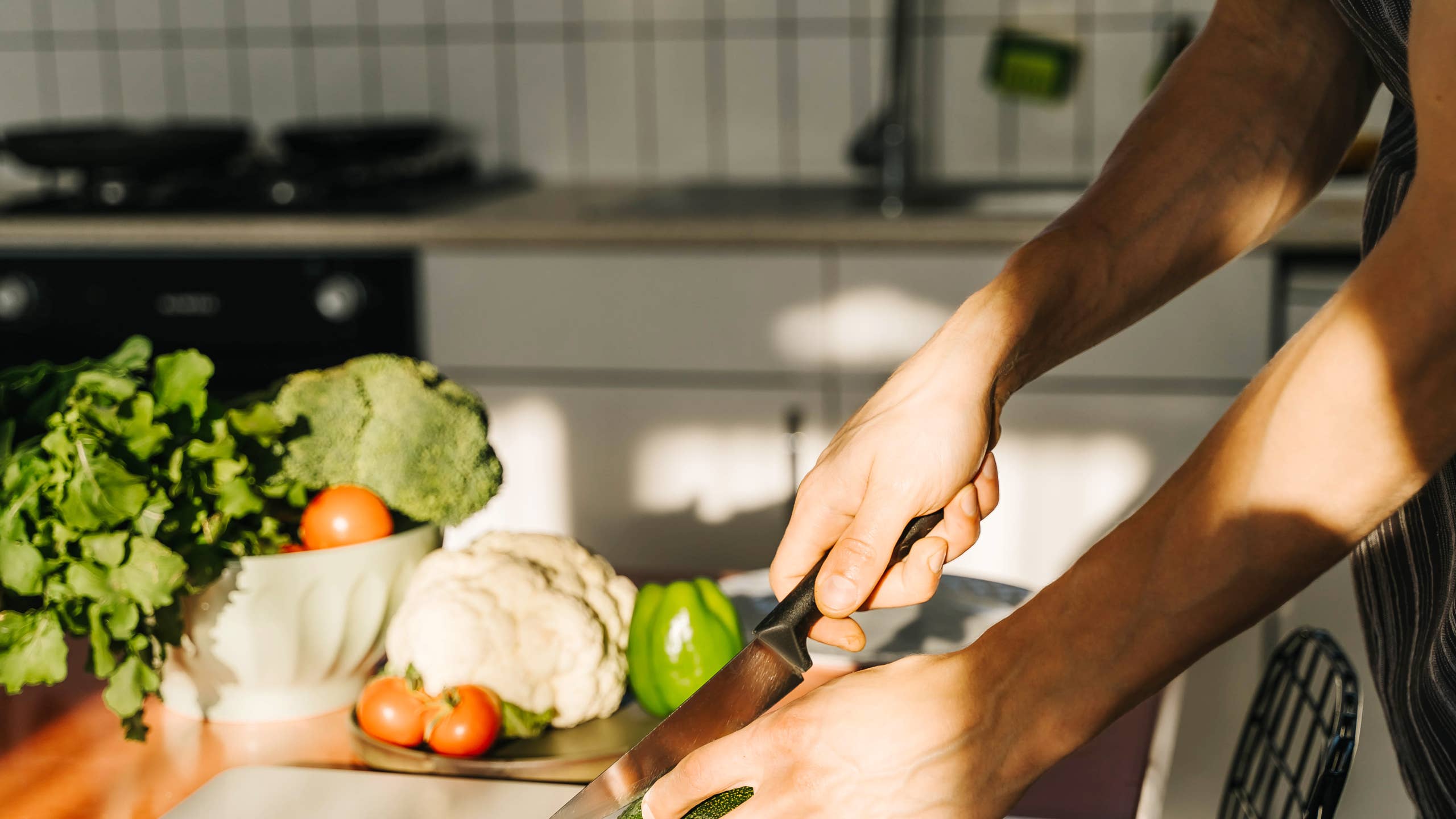

Start with the pantry staples
Southern cooking relies on a specific set of pantry staples that provide depth and authenticity. Before you heat a skillet, ensure you have the right ingredients on hand.
Prepare the perfect buttermilk biscuits
Buttermilk biscuits are a cornerstone of Southern cooking, prized for their flaky layers and tender crumb. Achieving this texture relies less on precise measurements and more on temperature control and gentle handling. The goal is to keep the fat cold and distinct until it hits the heat, creating steam pockets that lift the dough.
Mix the dry ingredients and cut in the butter
Whisk together all-purpose flour, baking powder, salt, and a pinch of sugar in a large bowl. Add cold, unsalted butter cut into small cubes. Use a pastry cutter or your fingers to work the butter into the flour until the mixture resembles coarse meal with some pea-sized butter pieces remaining. These solid butter bits are essential for creating flaky layers.
Add the buttermilk and fold gently
Pour cold buttermilk into the dry mixture. Stir gently with a fork just until the dough begins to clump together. Do not overmix; a shaggy, slightly sticky dough is ideal. Overworking the gluten will result in tough biscuits instead of tender ones. Turn the dough out onto a lightly floured surface.
Pat and fold for layers
Pat the dough out to about three-quarters of an inch thick. Fold the dough in half, press it down gently, and pat it out again. Repeat this folding process two or three times. This lamination technique builds the structure that allows the biscuits to rise high and separate into distinct layers.
Cut and bake
Use a floured round biscuit cutter to cut straight down into the dough. Do not twist the cutter, as this seals the edges and prevents rising. Place the biscuits close together on a baking sheet for softer sides, or spaced apart for crisper edges. Bake in a preheated oven until golden brown on top, usually about 15 to 20 minutes.
Fry chicken to golden perfection
Fried chicken is the cornerstone of Southern cuisine, prized for its crackling crust and tender meat. Achieving this balance at home requires discipline with two variables: the dredge and the heat. If the oil is too cool, the coating turns greasy; if it is too hot, the outside burns before the inside cooks.
The goal is a deep golden-brown exterior that shatters slightly when bitten, revealing juicy white or dark meat beneath. This section walks through the precise steps to manage your station and achieve that result.
Mastering fried chicken is less about complex ingredients and more about temperature control. By keeping the oil steady and ensuring a thick, seasoned crust, you replicate the classic Southern standard without the grease. Pair your crispy chicken with buttermilk biscuits or collard greens for a complete meal.
Simmer creamy stone-ground grits
Stone-ground grits are the backbone of many Southern breakfasts and dinners. Unlike quick grits, they require patience and the right liquid-to-grit ratio to achieve a smooth, creamy texture without lumps. The key is treating them like a porridge that needs constant attention.
Watch a masterclass in action
Seeing a technique demonstrated makes the difference between guessing and knowing. A visual reference helps you catch subtle cues, like the right consistency for a roux or the proper fold for biscuits, that are hard to describe in text alone.
This Southern Soul Food Masterclass video provides a clear look at the methods behind classic dishes. Watching the process in motion reinforces the written instructions and builds confidence before you start cooking.
Avoid common Southern cooking mistakes
Even experienced cooks run into trouble with classic Southern dishes. A few simple adjustments can turn soggy biscuits into flaky layers and burnt chicken into golden perfection. Focus on temperature control and ingredient balance to keep your results consistent.
Soggy biscuits
Soggy biscuits usually result from overworking the dough or using warm butter. Handle the dough as little as possible to keep the fat cold. Cut the butter into small cubes and mix it into the flour until the mixture resembles coarse crumbs. Chill the dough for 15 minutes before cutting shapes. This keeps the fat solid, creating steam pockets that lift the layers during baking.
Burnt fried chicken
Burnt exterior with raw meat inside often means the oil temperature is too high or the pieces are too large. Use a thermometer to keep oil between 325°F and 350°F. If the chicken browns too quickly, lower the heat and finish cooking in a 350°F oven. This ensures the meat cooks through without scorching the coating. Pat the chicken dry before dredging to prevent oil splatter and uneven browning.
Grits that are too thick
Grits can become gluey if you don’t add enough liquid or stir constantly. Use a ratio of at least 4 cups of liquid to 1 cup of grits. Stir frequently to prevent lumps and sticking to the bottom of the pot. Add liquid gradually if the mixture thickens too quickly. A pinch of salt and a knob of butter at the end smooths out the texture.
No comments yet. Be the first to share your thoughts!