

Grits Are Having a Moment
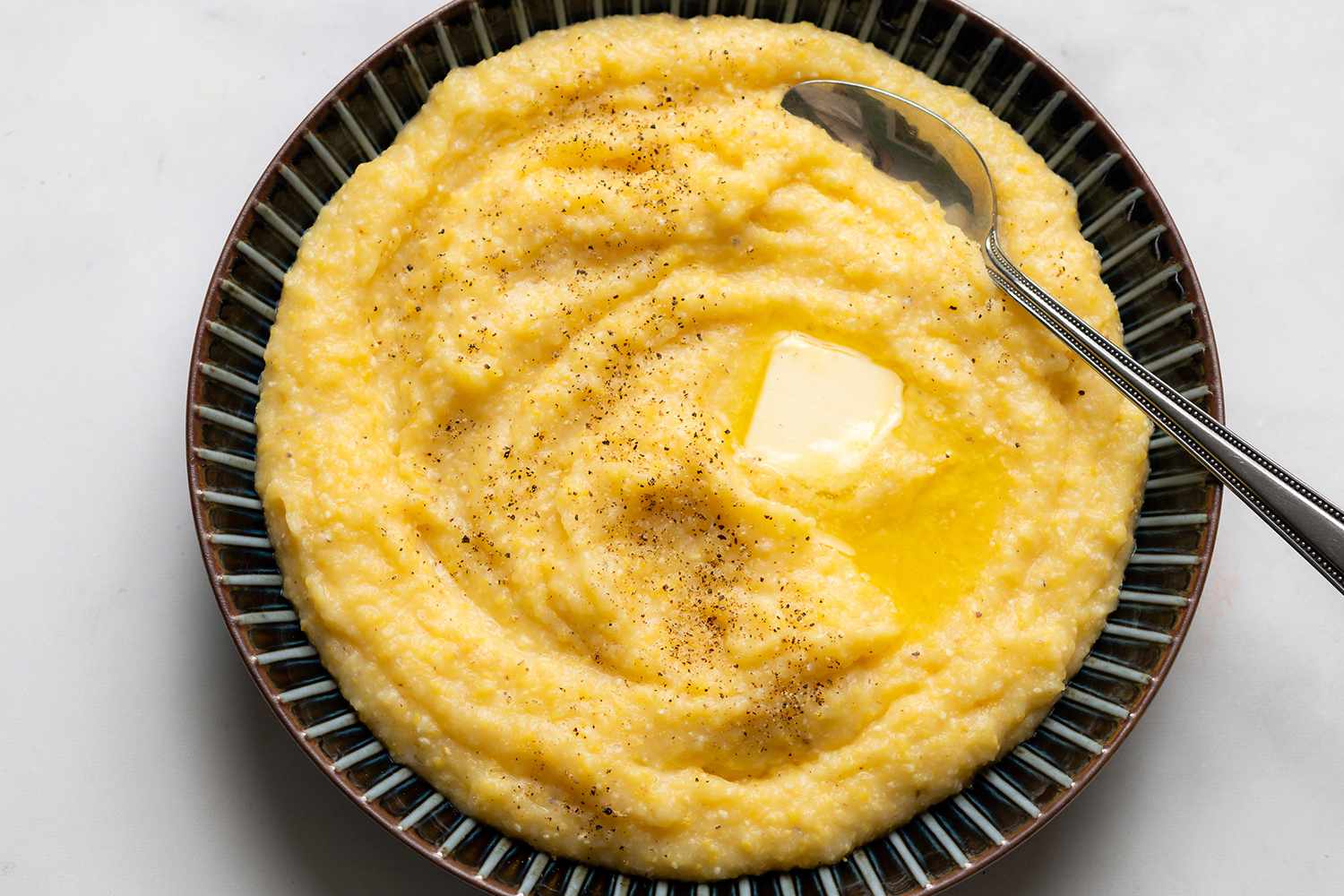
Grits are back. For decades, this Southern staple was largely relegated to breakfast tables in the Deep South, often overlooked by the wider culinary world. But something has shifted. From Charleston to Chicago, chefs are rediscovering the versatility and subtle flavor of this ancient grain. Some are even predicting grits will be the superfood of 2026.
Ground from dried corn, grits were first cultivated by Native Americans and became a cornerstone of Southern cuisine, particularly for those who needed a hearty, affordable meal. For a time, grits were synonymous with Southern comfort and tradition. But as processed foods gained popularity, grits fell out of favor, seen by some as outdated or unsophisticated.
The revival isn't just about nostalgia. It's about a renewed appreciation for whole, unprocessed foods and a growing curiosity about the culinary potential of ancient grains. We're seeing a move away from overly complicated dishes and a return to simple, flavorful ingredients. Grits fit perfectly into this trend, and their nutritional benefits are a big part of the story.
The official Grand Opening celebration of Grits + Grace on January 2, 2026, signaled a new chapter for the brand and a growing momentum behind this revival. The world is finally ready to embrace what Southerners have known all along: grits are pretty special.
Beyond Breakfast: The Versatility of Grits
Forget everything you thought you knew about grits being limited to a creamy side dish with shrimp and gravy. While that classic preparation is delicious, modern chefs are pushing the boundaries of what grits can be. We’re seeing grits appear in unexpected places, showing its incredible versatility.
In New Orleans, Chef Nina Compton of Compère Lapin uses grits as a base for a savory bread pudding, incorporating smoked sausage and collard greens. In Charleston, Husk Restaurant frequently features grits polenta, a clever substitution that adds a unique texture and flavor to Italian-inspired dishes. Even desserts are getting the grits treatment – pastry chefs are experimenting with grits flour in cakes, cookies, and even ice cream.
A chef in Atlanta is serving grits-crusted fish, using finely ground grits as a flavorful and gluten-free alternative to breadcrumbs. The possibilities truly feel endless. Home cooks are also getting in on the action, sharing their creative recipes online and inspiring others to experiment.
This isn’t simply about substituting grits for other ingredients. It's about understanding how grits’ unique flavor and texture can enhance a dish. The slightly grainy texture provides a wonderful contrast to smooth sauces, while its mild flavor allows other ingredients to shine. The culinary world is finally waking up to the potential of this often-underestimated grain.
The Nutritional Powerhouse
Grits are a good source of fiber, which aids digestion and promotes a feeling of fullness. A one-cup serving of cooked grits provides around 4 grams of fiber, a significant amount compared to many other refined grains. They also contain essential vitamins and minerals, including iron and magnesium.
Stone-ground grits, in particular, retain more of the germ and bran – the most nutritious parts of the corn kernel – compared to instant grits. This means they offer a higher concentration of fiber, vitamins, and minerals. A comparative look shows that stone-ground grits generally have about 20% more fiber than quick grits. They’re also a good source of complex carbohydrates, providing sustained energy.
A common misconception is that grits are unhealthy because they’re often served with rich toppings like butter, cheese, and bacon. While those additions add calories and fat, the grits themselves are inherently nutritious. Choosing healthier toppings – like sautéed vegetables, lean proteins, or a sprinkle of herbs – can transform grits into a wholesome meal. It’s about balance.
The iron content in grits is noteworthy, especially for those who don’t consume a lot of red meat. Iron is essential for carrying oxygen throughout the body and preventing fatigue. Magnesium plays a role in muscle function, nerve health, and blood sugar control. These benefits explain why grits are gaining recognition as a nutritional powerhouse.
- Fiber: Approximately 4 grams per 1-cup serving
- Iron: Around 15% of the daily recommended intake per serving.
- Magnesium: Provides about 10% of the daily recommended intake.
- Complex Carbohydrates: Offers sustained energy release.
Nutritional Comparison: Grits vs. White Rice (per 1/2 cup serving, cooked)
| Food Type | Calories | Protein (g) | Fiber (g) | Fat (g) | Glycemic Index (estimate) |
|---|---|---|---|---|---|
| Stone-Ground Grits | 159 | 4 | 2 | 0.5 | 52-68 |
| Quick Grits | 144 | 3 | 1 | 0.4 | 68-89 |
| White Rice (Long Grain) | 205 | 4 | 0.6 | 0.4 | 73 |
| White Rice (Medium Grain) | 204 | 4.3 | 0.5 | 0.4 | 64-89 |
| Stone-Ground Grits (with 1 tbsp butter) | 242 | 4 | 2 | 11 | 52-68 |
| Quick Grits (with 1 tbsp butter) | 227 | 3 | 1 | 11 | 68-89 |
Illustrative comparison based on the article research brief. Verify current pricing, limits, and product details in the official docs before relying on it.
Stone-Ground vs. Quick: What’s the Difference?
When shopping for grits, you'll encounter two main types: stone-ground and quick (or instant). Understanding the difference is important for achieving the best flavor and texture. Stone-ground grits are made by grinding corn kernels between two large stones, a traditional method that preserves more of the grain’s natural oils and nutrients.
This process results in a coarser texture and a more robust, corn-forward flavor. Stone-ground grits require a longer cooking time – typically 30-60 minutes – but the effort is worth it. The longer cooking time allows the grits to fully absorb water and develop a creamy, velvety texture. Quick grits, on the other hand, are processed more extensively, often degerminated and rolled into flakes.
This makes them cook much faster – usually in 5-10 minutes – but it also strips away some of the flavor and nutritional value. While quick grits are convenient, they lack the depth of flavor and satisfying texture of stone-ground grits. It's a trade-off between time and quality.
Finding good quality stone-ground grits can be a challenge. Look for grits labeled “stone-ground” and check the ingredient list – it should simply say “corn.” Avoid grits that contain additives or preservatives. Anson Mills and Palmetto Gourmet are two brands that consistently produce high-quality stone-ground grits, though they can be pricier.
10 Creative Grits Recipes to Try Now
Ready to put your grits to the test? Here are nine recipes that go beyond the traditional Southern breakfast, showing the incredible versatility of this ancient grain.
Spicy Shrimp and Grits Fritters: These crispy, flavorful fritters are a playful twist on the classic shrimp and grits. Combine cooked grits with sautéed shrimp, jalapeños, and cheddar cheese, then form into patties and fry until golden brown. Serve with a dollop of spicy remoulade sauce.
Creamy Parmesan Grits with Roasted Brussels Sprouts: A comforting and elegant vegetarian dish. Stir Parmesan cheese into cooked grits for a rich, savory flavor. Serve alongside roasted Brussels sprouts tossed with balsamic glaze and toasted pecans.
Grits Polenta with Braised Short Ribs: A fusion of Southern and Italian flavors. Use grits as a substitute for polenta, serving it as a bed for tender, braised short ribs. Garnish with gremolata and a drizzle of olive oil.
Grits and Greens Breakfast Bowl: A healthy and satisfying way to start the day. Combine cooked grits with sautéed collard greens, a fried egg, and a sprinkle of hot sauce.
Sweet Potato and Grits Hash: A hearty and flavorful hash perfect for brunch. Dice sweet potatoes and sauté them with onions, peppers, and cooked grits. Top with a fried egg and a drizzle of maple syrup.
Grits Pudding with Berry Compote: A surprisingly delicious dessert. Prepare a creamy grits pudding with milk, sugar, and vanilla extract. Top with a vibrant berry compote.
Grits-Crusted Cod with Lemon-Dill Sauce: A gluten-free alternative to breaded fish. Coat cod fillets in finely ground grits, then bake or pan-fry until golden brown. Serve with a refreshing lemon-dill sauce.
Spicy Chorizo and Grits Stuffed Peppers: A flavorful and satisfying main course. Stuff bell peppers with a mixture of cooked grits, chorizo, black beans, and corn. Bake until tender and bubbly.
Vegan Grits with Roasted Vegetables: A plant-based delight. Prepare grits with vegetable broth and nutritional yeast for a cheesy flavor. Serve with a medley of roasted seasonal vegetables.
Sourcing and Sustainability
As the demand for grits grows, it’s becoming increasingly important to consider where your grits come from and how they’re produced. Supporting local farmers and choosing sustainably grown grits helps to preserve Southern agricultural traditions and protect the environment.
Look for grits that are grown using organic or regenerative farming practices. These methods prioritize soil health, biodiversity, and water conservation. Heirloom varieties of corn, which have been passed down through generations, are also worth seeking out. They offer unique flavors and contribute to the preservation of agricultural heritage.
While I don’t have specific data on all sustainable grits producers, prioritizing local options and looking for certifications like USDA Organic are good starting points. It’s about making informed choices that support a more responsible and resilient food system.
The Grits Community is Growing
The grits revival isn’t just happening in kitchens and restaurants; it’s also blossoming online. A vibrant community of grits enthusiasts is connecting through blogs, social media groups, and cooking forums, sharing recipes, tips, and stories.
Websites like Grits with Grace (gritswithgrace.com) offer a wealth of information about grits, including recipes, cooking techniques, and personal anecdotes. The GRIT Superfoods website (gritsuperfoods.com) focuses on the health benefits of grits and offers a range of superfood bites.
On Facebook, groups dedicated to Southern cooking and grits are thriving, with members exchanging photos of their creations and offering encouragement. The hashtag #grits is gaining traction on Instagram, showcasing the creative ways people are incorporating grits into their meals. This online community is a testament to the growing passion for this ancient grain.
It’s truly inspiring to see people connecting over their love of grits and celebrating this important part of Southern culinary heritage. This renewed interest isn't just about a food trend; it's about a shared appreciation for tradition, flavor, and community.

No comments yet. Be the first to share your thoughts!